Vacant Home Staging: Virtual vs Physical (Cost + How-To)
By the Plotpane Editorial Team · Published June 14, 2026 · Fact-checked against the NAR 2025 Profile of Home Staging
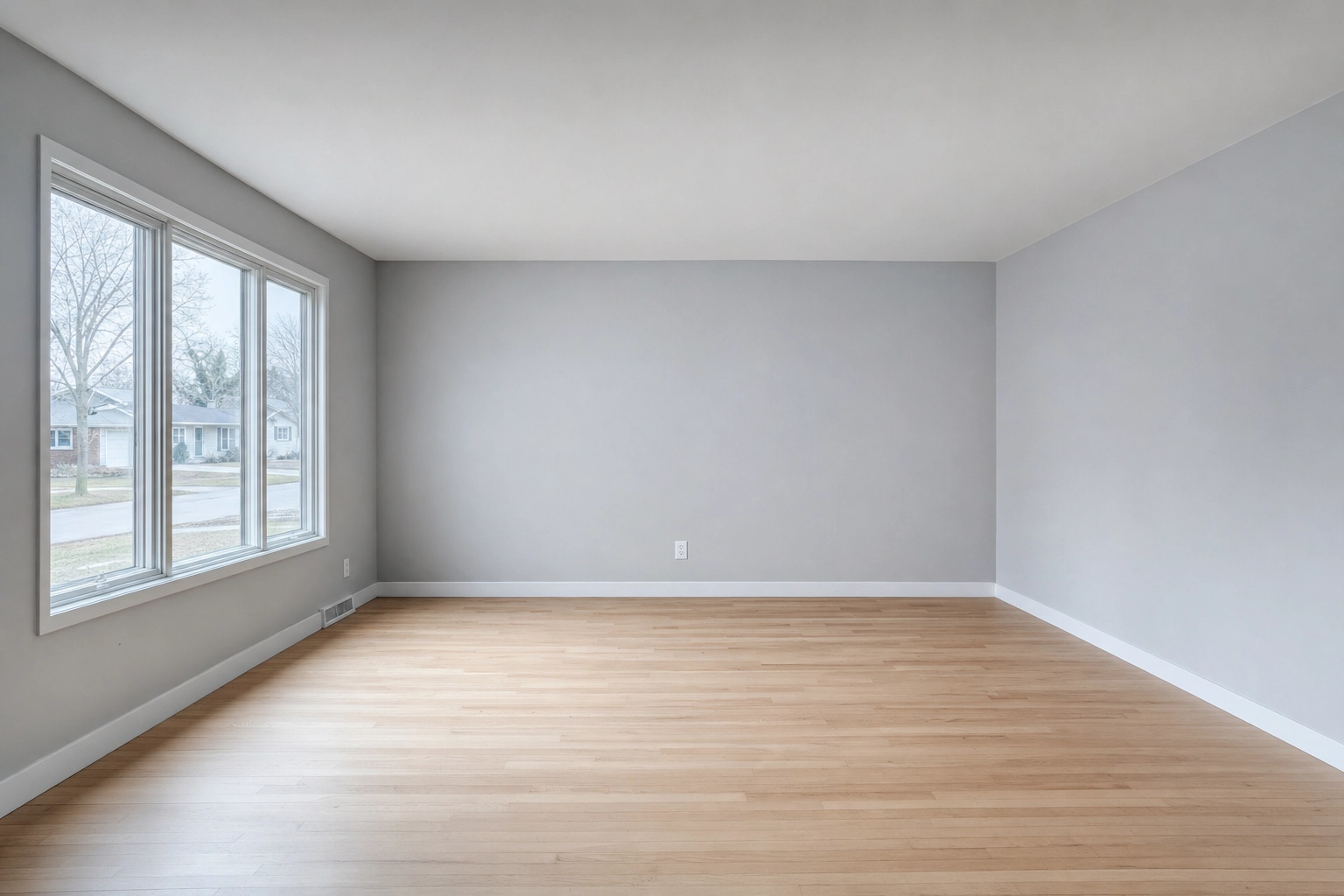
An empty house is supposed to feel full of possibility. In photos, it usually just feels cold, echoey, and oddly cramped — and online, that's the split second when a buyer either books a showing or keeps scrolling. Vacant home staging is how you fix it.
It gives every room a purpose, restores a sense of scale, and adds the warmth that turns "Can I live here?" into "I want this one." You can approach vacant home staging two ways: hire a stager to truck in real furniture for a few thousand dollars and a couple of weeks, or stage the photos digitally for a couple of dollars a room, ready the same day. This guide covers both — why bare rooms underperform, what the NAR and RESA numbers show, how the costs compare line by line, and how to stage a vacant home virtually, including the one step you can never skip: disclosure.
Quick Summary: Empty rooms photograph smaller and colder than they really are, costing you clicks and showings. Physical vacant staging runs $2,000–$6,000+ plus $500–$600 per room each month; virtual staging costs well under $2 an image and is ready in minutes. For most listings, virtual wins on cost and speed — just label every image "virtually staged."
Why empty rooms photograph cold — and smaller than they really are
It feels backwards, but an empty room almost always looks smaller in a photo than a furnished one. With nothing inside, the eye has no familiar object — a sofa, a bed, a dining chair — to measure against, so it can't judge depth or scale. Buyers see four blank walls and quietly assume "tight."
Bare rooms create other problems, too:
- No emotional pull. A vacant space reads as sterile and lifeless. Most buyers decide with their gut, and an echoey, unfurnished room gives them nothing to connect to.
- Every flaw gets louder. Scuffs, a patched outlet cover, a slightly uneven floor, a dated light fixture — details that disappear in a furnished room jump out in an empty one.
- Odd layouts look like wasted space. Without furniture to show how a bonus nook or open-concept corner is meant to be used, buyers just see "I don't know what to do with that."
- The photos fall flat. Empty rooms rarely pop in a listing gallery, and since most buyers start their search online, a flat lead photo means fewer clicks and fewer showings.
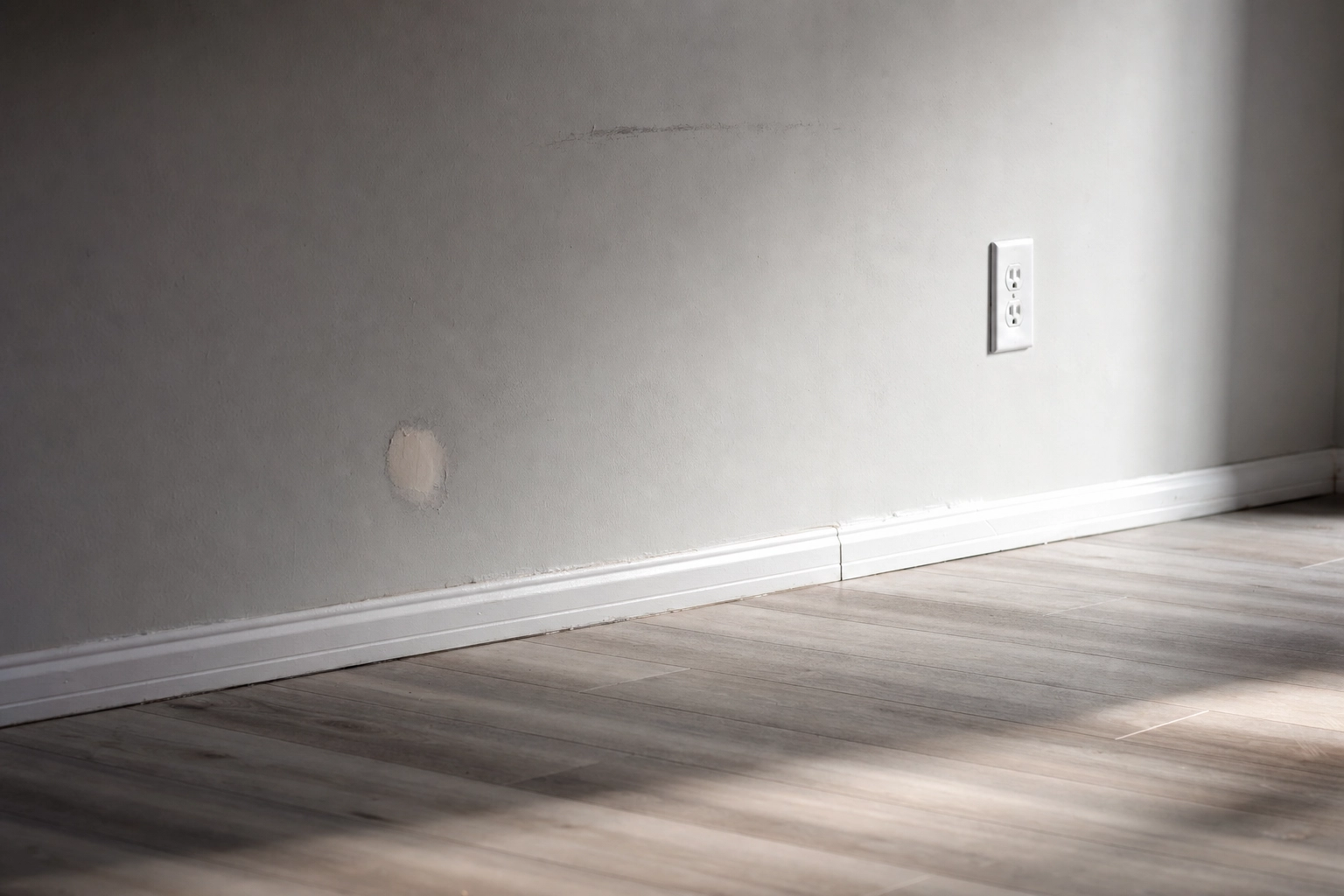
The behavior shows up in the data. The Real Estate Staging Association reports that buyers spend roughly 70% less time touring an empty home than a staged one — they walk in, feel nothing, and walk out.
What the staging data actually says (NAR + RESA)
Staging isn't a hunch; it's one of the better-measured plays in real estate.
The National Association of Realtors' 2025 Profile of Home Staging found that 83% of buyers' agents said staging made it easier for buyers to picture a property as their future home. Nearly half — 49% of sellers' agents — saw staged listings spend less time on the market, and 29% reported staging lifted the offer by 1% to 10% over comparable unstaged homes. Asked which rooms matter most, agents ranked the living room (37%), primary bedroom (34%), and kitchen (23%) at the top.
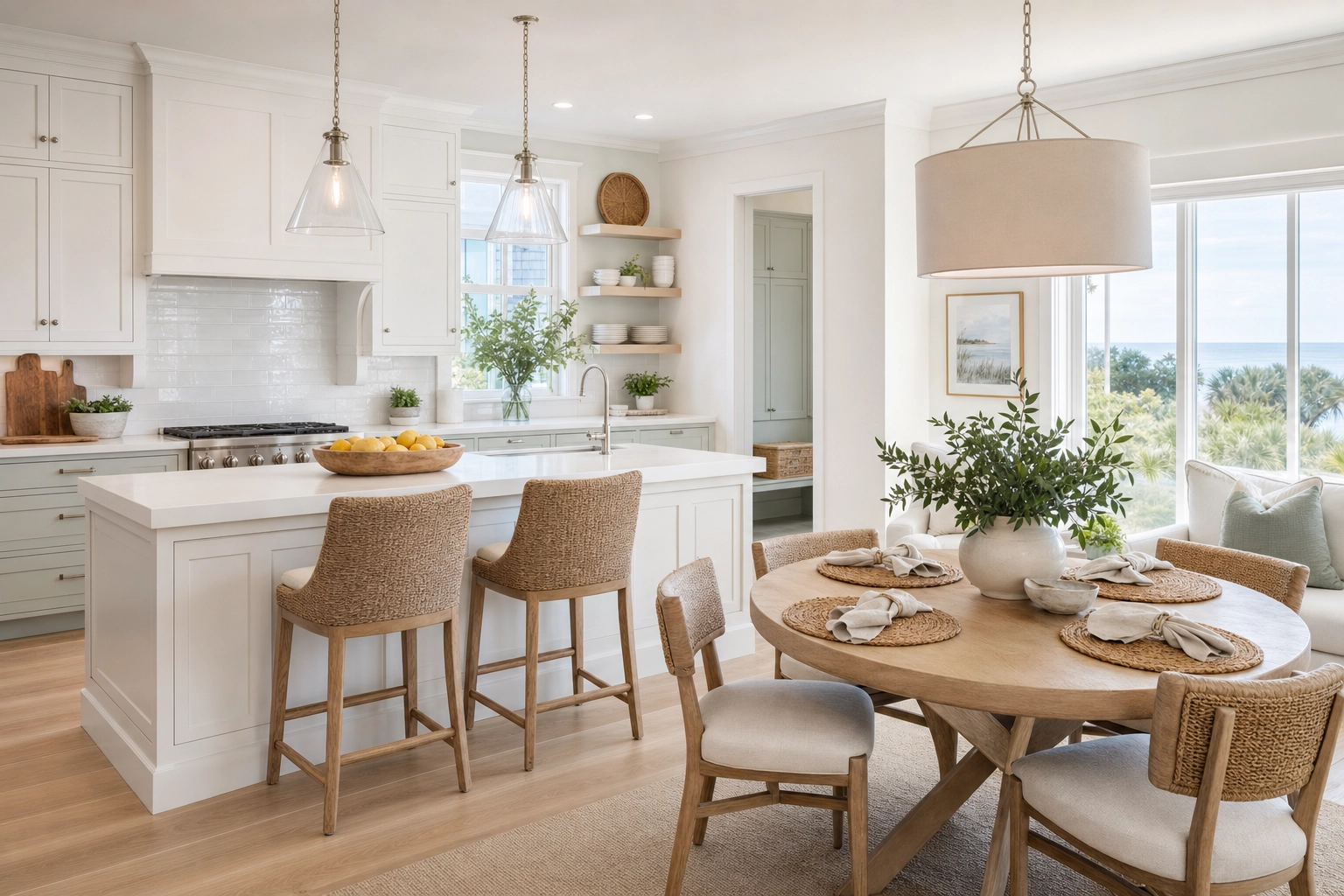
The Real Estate Staging Association (RESA) numbers are starker on speed. In its widely cited study of 1,080 homes, properties that sat unstaged averaged 184 days on market; once staged, they sold in about 41 days — and homes staged before they ever hit the market sold in roughly 23 days. RESA's 2025 data is similar: staged listings near a 109% sale-to-list ratio (about 9% over asking) and about 19 days on market.
The takeaway: staging works, and for a vacant home it's close to mandatory. The only real question is how you stage — with rented furniture or with pixels. For a deeper dollar-by-dollar breakdown, see the full cost-vs-days-on-market math.
Physical vacant staging: the true cost and timeline
Traditional staging means a professional brings real furniture and décor into the house. For a vacant property that's the full job — nothing is already there to work with — which makes it the most expensive, most logistics-heavy scenario in staging.
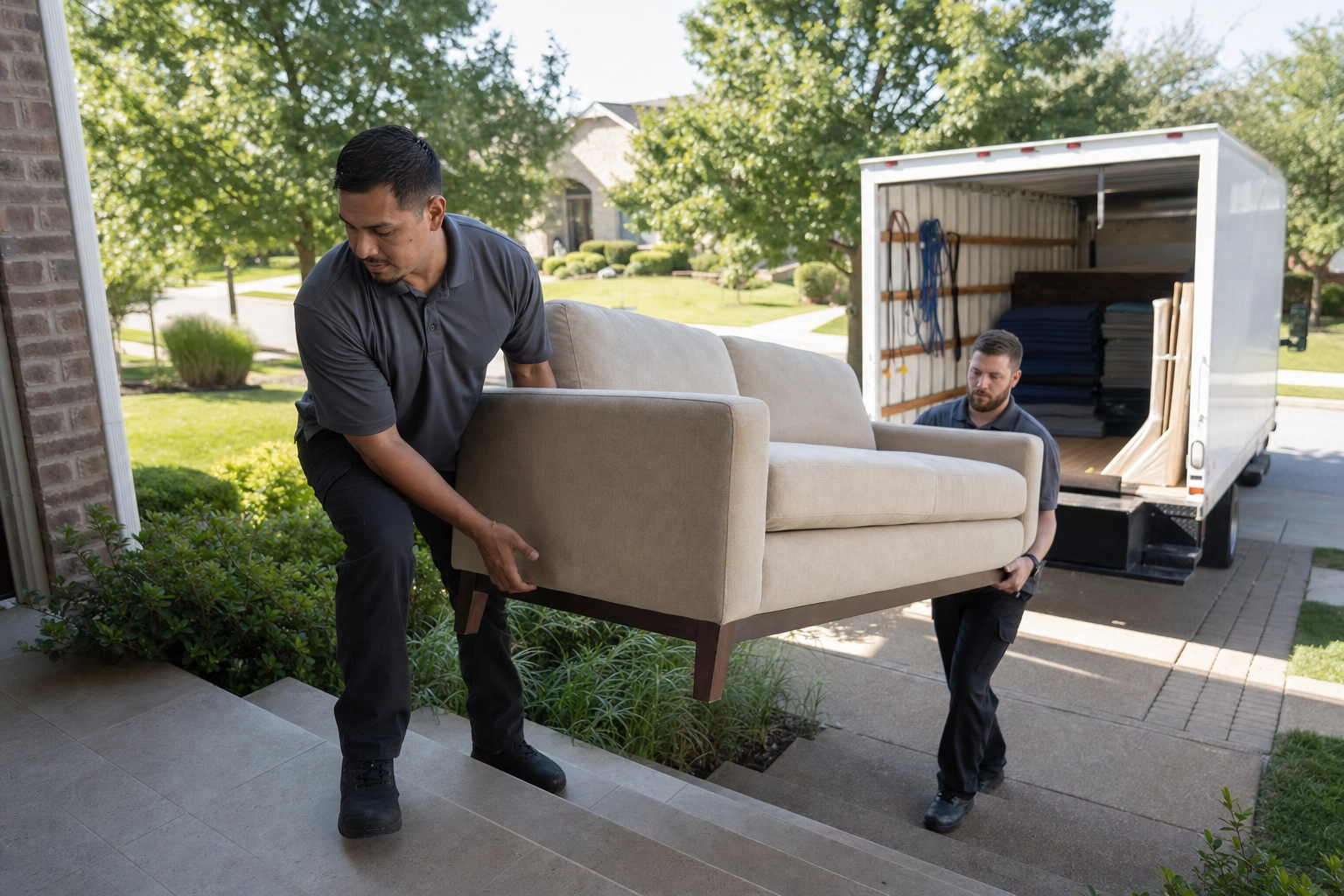
Here's the chain of events: an initial consultation (booked days out), a design plan, sourcing furniture from the stager's warehouse, a delivery-and-install day, weeks of the home sitting staged, and finally a pickup. From your first call to camera-ready photos is usually one to two weeks of lead time.
The costs stack up fast:
- Setup: roughly $2,000 to $6,000+ for a vacant home, depending on size and number of rooms. RESA pegs the national average for a vacant property near $3,350–$3,800.
- Monthly rental: about $500 to $600 per room, per month after the initial term — easily $2,000+ a month for a whole house.
- Contracts: an eight-week (56-day) minimum is standard, and luxury furniture lines often require a three-month commitment whether the home sells in three days or three months.
- High-cost metros: in New York, San Francisco, Los Angeles, Boston, or Seattle, staging a vacant home commonly starts at $3,000 and climbs past $6,000–$10,000+.
And there's a cost that never makes the invoice: while the staged home waits for a buyer, you're still paying the mortgage, utilities, and insurance — and the furniture-rental clock keeps ticking the whole time.
When physical staging is still the right call
Real furniture has one thing pixels don't: it's physically there. For a luxury estate where buyers expect a dressed showpiece, a builder's model home that doubles as a sales center, or any listing with heavy in-person traffic, physical staging earns its keep — buyers who walk the rooms feel the scale for themselves. For many sellers, the smartest move is a hybrid (more below).
Virtual vacant staging: a couple of dollars a room, same day
Virtual staging furnishes the photo, not the room. You shoot the empty space, and the furniture, rugs, art, and lighting are added digitally to the image. No warehouse, no delivery truck, no rental contract.
The economics aren't close:
- Cost: legacy virtual-staging vendors charge $16 to $50 per photo. With an AI tool like Plotpane's virtual staging, it's $0.49 an image on Starter, $0.45 on Pro and $0.41 on Agency — one credit each, the same as every other tool.
- Speed: about two minutes to render a finished image at about 2.4K, versus one to two weeks of physical logistics. Don't love the look? Re-render in a different one of seven design styles for another credit — no reorder, no redelivery.
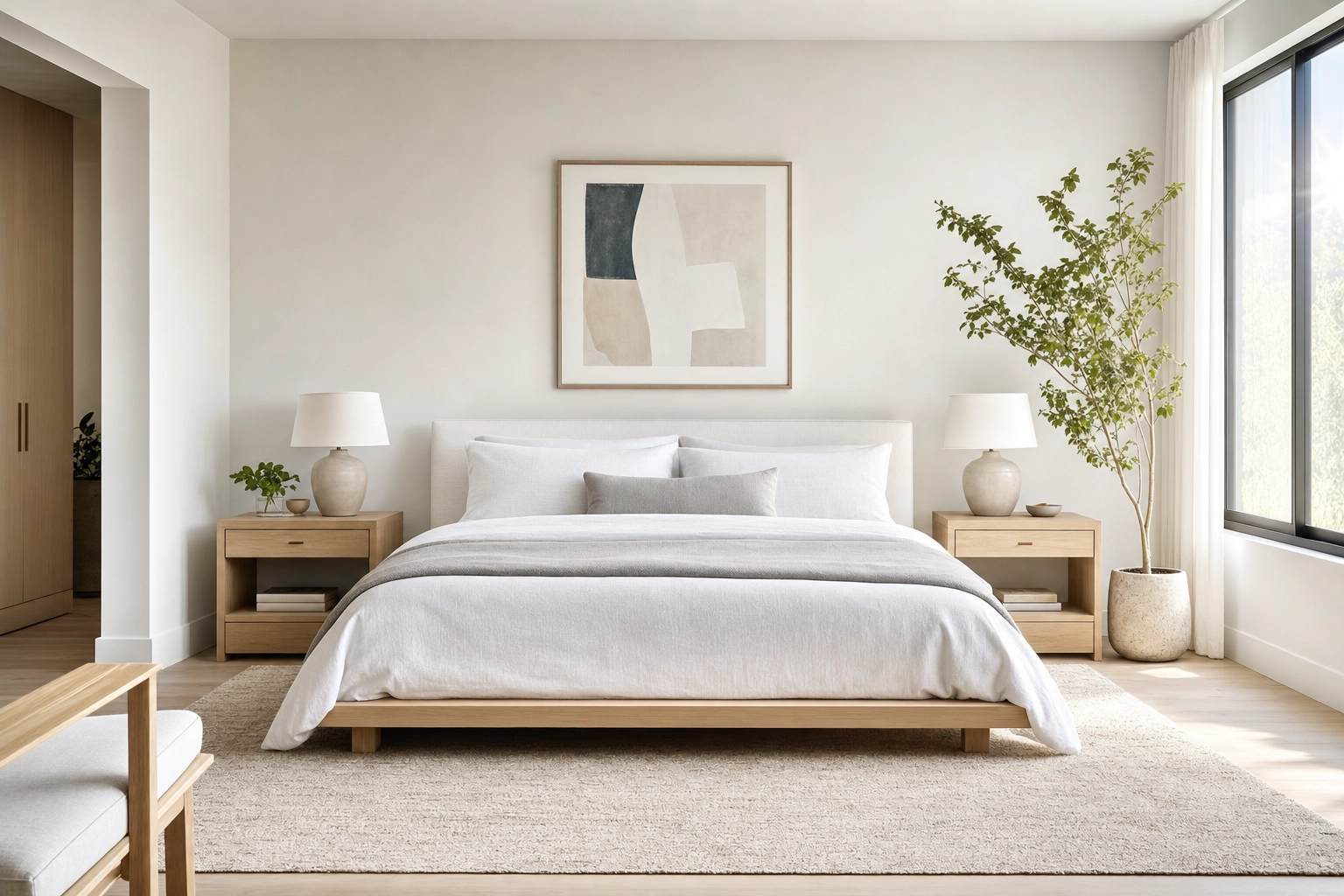
The fear with anything "AI" is that it'll invent a room that doesn't exist. This is where the approach matters. Plotpane is structure-preserving: it furnishes the actual room in your photo and never reinvents the walls, windows, ceiling height, or floor plan. It is not a text-to-image generator that dreams up a space from a prompt — the architecture buyers see is the architecture they'll walk into, just with furniture, realistic scale, and matched shadows added.
One honest caveat: virtual staging dresses the images. The physical rooms stay empty, so a buyer touring in person still sees bare floors. That's exactly why disclosure matters — more on that shortly — and why some sellers pair the two.
Vacant home staging: virtual vs physical, side by side
| Physical staging | Virtual staging | |
|---|---|---|
| Upfront cost (vacant home) | $2,000–$6,000+ | $0.41–$0.49 per image |
| Ongoing cost | $500–$600 per room / month | None |
| Turnaround | 1–2 weeks to install | ~2 minutes per photo |
| Change the style | New order, new delivery | Re-render in about two minutes |
| Contract lock-in | 8-week minimum common | None |
| Helps in-person showings | Yes | No — room stays empty |
| Disclosure required | No | Yes — label "virtually staged" |
| Best for | Luxury, model homes, high-traffic showings | Most listings, online-first buyers |
For the typical listing — where the battle is won or lost in the online gallery — virtual staging delivers most of the upside for a rounding error of the cost. Physical staging holds its edge only where buyers physically stand in the rooms.
How to stage a vacant home virtually (step by step)
Good empty-room staging starts with one solid photo of each space. Nail the capture and the rest is fast.
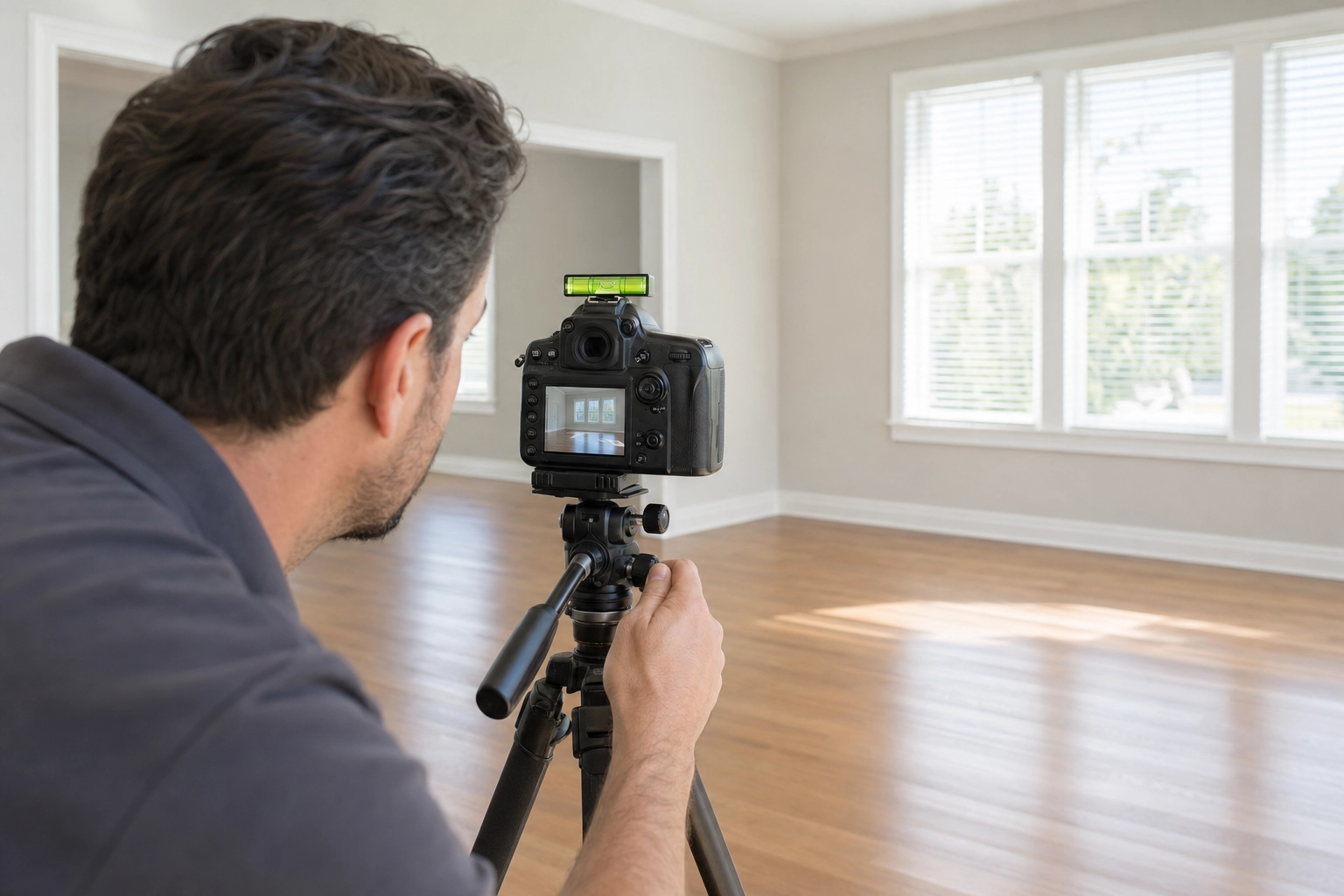
- Capture clean rooms in good light. Open every blind, turn on all the lights, and shoot when daylight is bright but not blasting through the windows. Aim for a neutral white balance so walls read true. If the exposure comes out flat, auto-enhance the exposure before you stage — clean light makes the added furniture sit naturally.
- Keep your verticals straight. Put the camera on a tripod, level it, and shoot from about chest height (40–48 inches) with the lens parallel to the walls so door and window frames stay vertical. Straight lines make a staged room look real instead of "edited." Minor tilt is fixable with automatic perspective correction.
- Clear the frame. An "empty" room is rarely truly empty — a paint can in the corner, a stray cord, a ladder, scuffs on the floor. Tidy what you can, then let clutter removal erase the strays so the staging engine has a clean canvas.
- Pick a style that matches the buyer. This is where staging earns its money (details just below).
- Stage the rooms that move buyers first. You don't need every room. Start with the three NAR ranks highest — living room, primary bedroom, and kitchen or dining — then add a bonus room or home office if the floor plan has an awkward space to explain.
- Keep the set cohesive. Use the same style and white balance across every staged photo so the gallery feels like one home, not a mood board. Consistency reads as professional; a mismatch reads as fake.
- Render, then sanity-check. Look at scale (does the sofa fit a real person?), shadow direction (does it match the window light?), and reflections. Structure-preserving output should pass all three without a second glance.
- Disclose every staged image. Non-negotiable — covered next.
Matching the design style to your buyer
A staged room should flatter the person most likely to buy, not your own taste. A few reliable pairings:
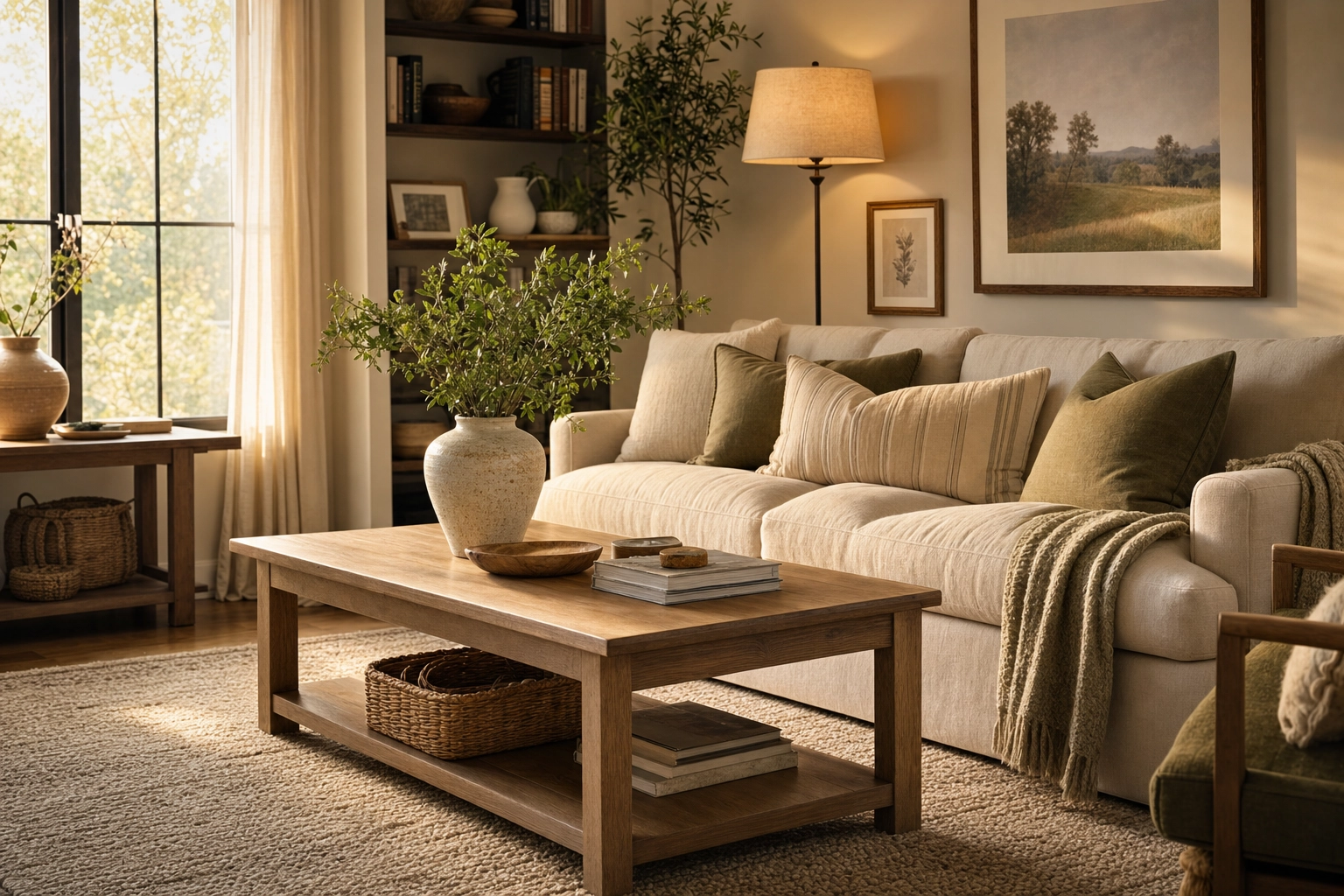
- Modern or Scandinavian for urban condos and first-time buyers who want clean and uncluttered.
- Transitional or modern farmhouse for suburban family homes — warm, livable, broadly appealing.
- Coastal for beach and lake markets; luxury contemporary for high-end listings where buyers expect a showpiece.
- Mid-century modern for design-forward metros and lofts.
Whatever you choose, keep it neutral and aspirational — never personal. The goal is for as many buyers as possible to picture their life in the space, not to admire someone else's bold wallpaper.
Always disclose: the "virtually staged" rule
This is the line you do not cross. A virtually staged photo shows furniture that isn't in the house, so presenting it as an unedited image is misleading — a problem both ethically and by rule.
Most MLSs explicitly require virtually staged images to be labeled, and NAR's Code of Ethics (Article 12) bars Realtors from misrepresenting a property to the public — exactly what an undisclosed staged photo does. The fix is simple and costs nothing:
- Caption the image "Virtually Staged" (or "Digitally Staged") right on or beside the photo.
- Note it in the listing remarks so it's documented in the MLS record, not just implied.
- Never present a staged photo as the real, current condition of the room.
Plotpane helps on the technical side: every staged export carries invisible XMP disclosure metadata (it round-trips through Lightroom), so the file itself is honestly tagged. But the visible caption and the listing-remarks note are still yours to add — the software can't write your MLS remarks for you. Rules vary by state and MLS, so check the virtual staging disclosure rules for your MLS before you publish.
Vacant vs occupied staging: a quick clarification
People mix these up: occupied staging works with furniture the seller already owns — a stager edits and supplements it. Vacant staging furnishes an empty home from scratch.
That's why the vacant case tilts so hard toward virtual. Occupied staging is comparatively cheap because the furniture is already there; vacant staging is the most expensive thing a physical stager does, since every sofa and lamp has to be rented, delivered, and hauled back out. Swap that for pixels and the priciest staging scenario becomes the cheapest.
So which should you choose?
When it comes to vacant home staging, most listings — and especially a solo agent shooting their own homes — point to virtual. It's a couple of dollars a room, it's ready the same day, and you can restyle it in minutes to match the buyer, whether it's a starter condo or a four-bedroom vacant house. See what virtual staging costs and Plotpane's pricing to map it to your volume.
Physical staging still makes sense for luxury estates, builder model homes, and showing-heavy listings, where buyers need to feel the rooms for themselves.
And there's a middle path a lot of pros use: stage virtually to win the click, stage physically to win the walkthrough. Run gorgeous virtual photos in the online gallery to pull buyers in, then dress the one or two rooms they'll actually stand in — the online pull of full staging without furnishing the whole house.
Frequently Asked Questions
Does staging help a vacant home sell faster?
Yes — it's one of the better-documented moves in real estate. NAR's 2025 Profile of Home Staging found 49% of sellers' agents saw staged homes spend less time on the market, and RESA data has shown homes staged before listing selling in roughly 23 days versus 184 for unstaged ones. Vacant homes benefit the most, because they start from the biggest disadvantage.
How much does it cost to stage a vacant home?
Physically, expect $2,000 to $6,000+ to set up, plus $500–$600 per room each month it stays listed, usually on an eight-week minimum. Virtually, it's $0.41 to $0.49 an image with an AI tool like Plotpane, depending on the plan — no rental clock, no contract.
Do I have to disclose virtual staging on a listing?
Yes. Most MLSs require virtually staged photos to be labeled, and NAR's Code of Ethics prohibits misleading the public. Caption each image "Virtually Staged" and note it in the listing remarks. Plotpane also embeds invisible disclosure metadata in the file, but you still add the visible label yourself.
Can I stage an empty room myself?
Absolutely. The DIY workflow: shoot a clean, well-lit photo with straight verticals, upload it, pick a design style, and render. No design degree or furniture budget required — the skill is in the photo, not the furnishing.
What's the difference between vacant and occupied staging?
Occupied staging enhances furniture the seller already has; vacant staging furnishes an empty home from scratch. Vacant is the priciest scenario for physical staging and the cheapest for virtual.
Will virtual staging change my home's actual walls or floor plan?
No — not with a structure-preserving tool. Plotpane furnishes the real room in your photo and leaves the architecture, windows, and layout exactly as shot. It doesn't invent or redraw the space the way a text-to-image generator would.
Virtual or physical staging for a vacant home — which is better?
For online-first listings, virtual: same-day, a few dollars a room, any style. For luxury, model homes, or showing-heavy properties where buyers walk the rooms, physical (or a hybrid) still wins. Match the method to where your buyers actually make the decision.
Ready to turn an empty listing into one buyers stop scrolling for? Stage your first vacant room in about two minutes with Plotpane's virtual staging — about 2.4K out, with no visible watermark on any plan, and built for real estate photographers and agents.