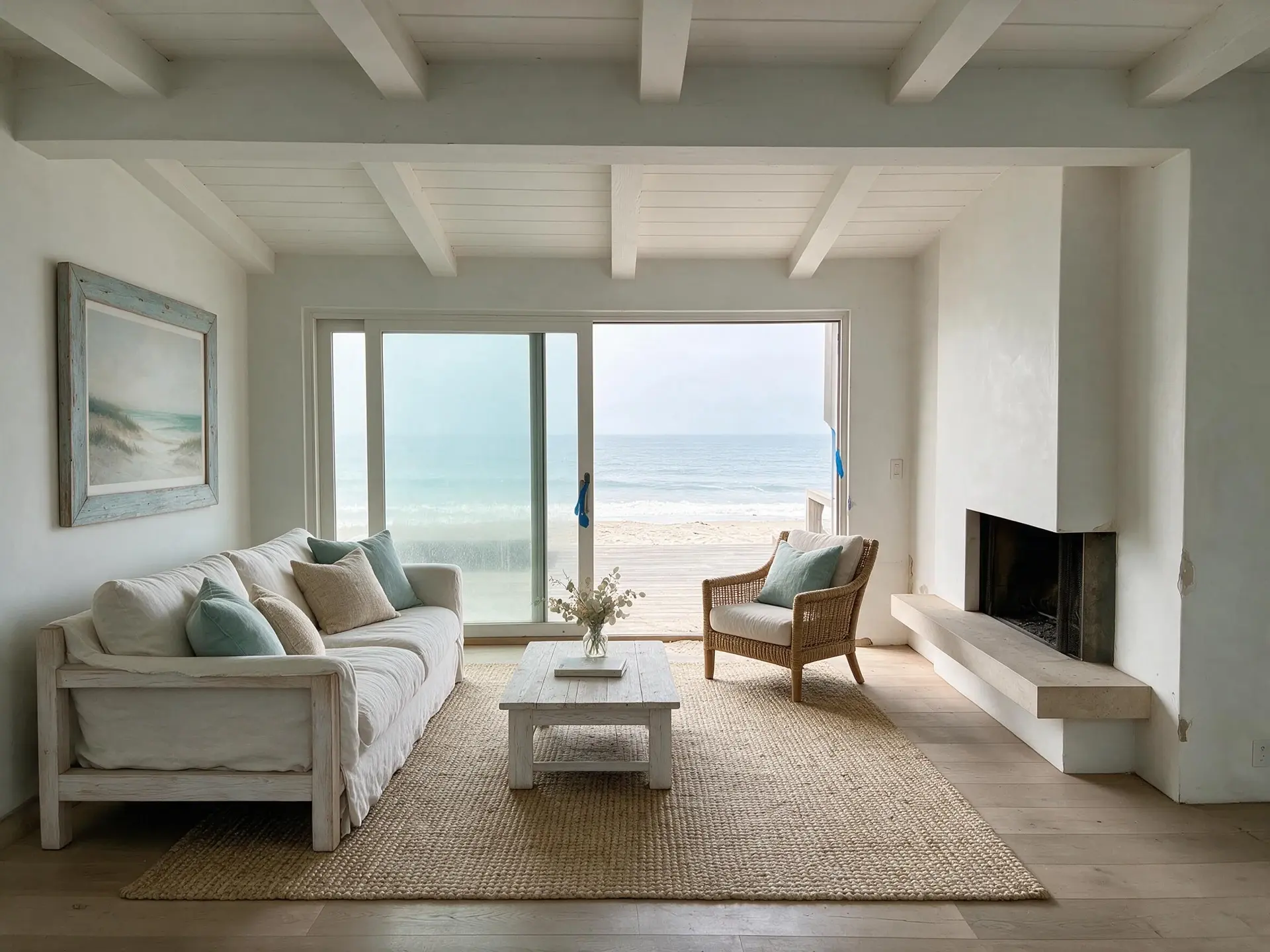
FMLS Virtual Staging Compliance for First Multiple Listing Service (Atlanta, Rules 3.1 · 7.2 · 10.7)
FMLS virtual staging sits inside First Multiple Listing Service (FMLS) — the dominant of Atlanta's two MLSs, with roughly 60,000 participants across metro Atlanta and most of northern Georgia. The controlling FMLS provisions for listing imagery are Rule 3.1 (photographs "shall not be altered or enhanced in any way that might misrepresent the property"), Rule 7.2 (at least one photo within 14 calendar days of listing entry) and Rule 10.7 (no text superimposed on photos, no self-promotion, no brokerage or contact info inside the image). Those FMLS rules stack on top of NAR Code of Ethics Standard of Practice 12-13, the Georgia Association of REALTORS (GAR) advertising standards, Georgia Real Estate Commission Rule 520-1-.09 on advertising, and O.C.G.A. §43-40-25(b)(3) — the unfair-trade-practices statute that attaches license-level liability to materially misleading advertising in Georgia.
What FMLS Rules 3.1, 7.2 and 10.7 actually say about photos and virtual staging
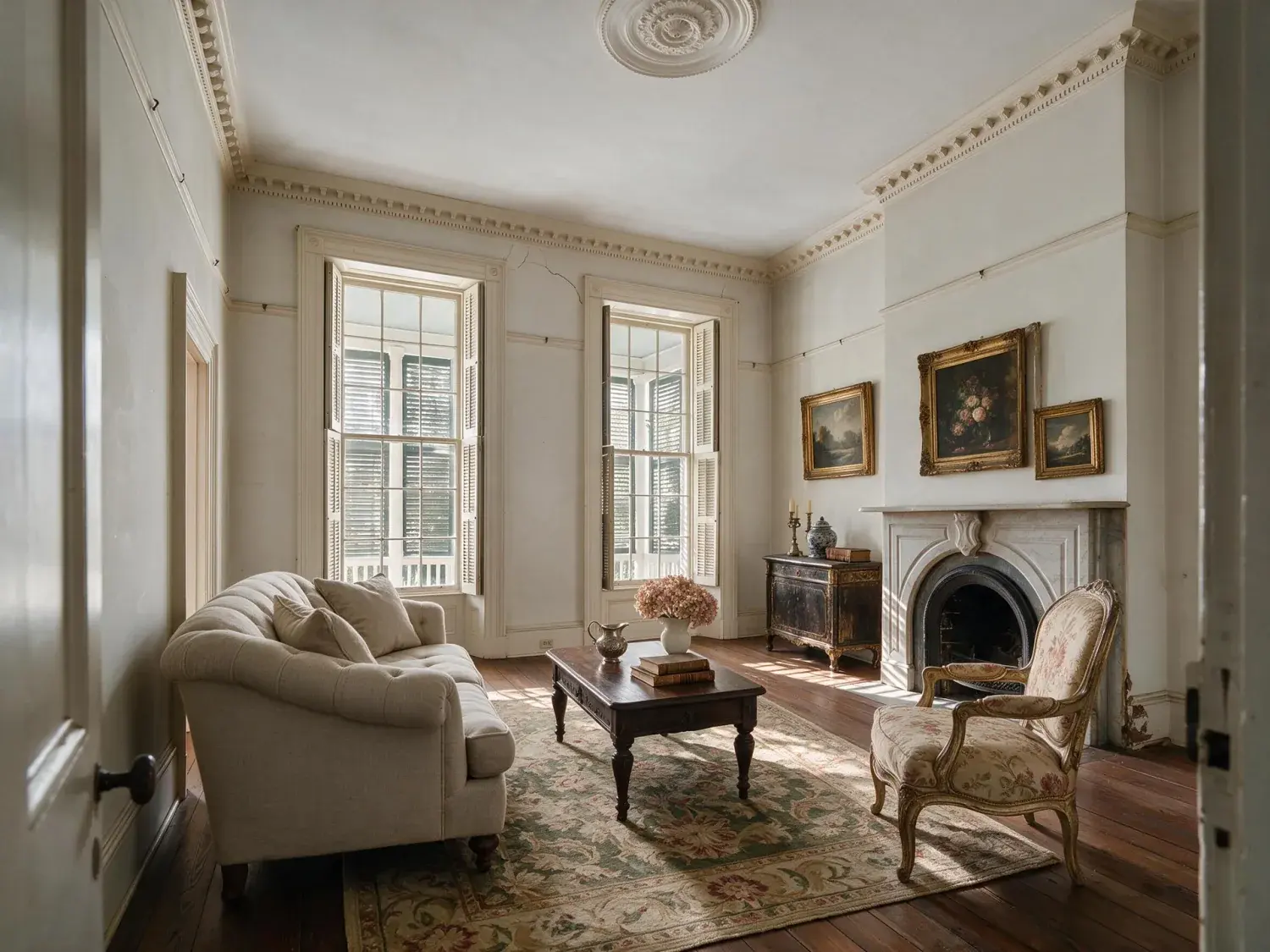
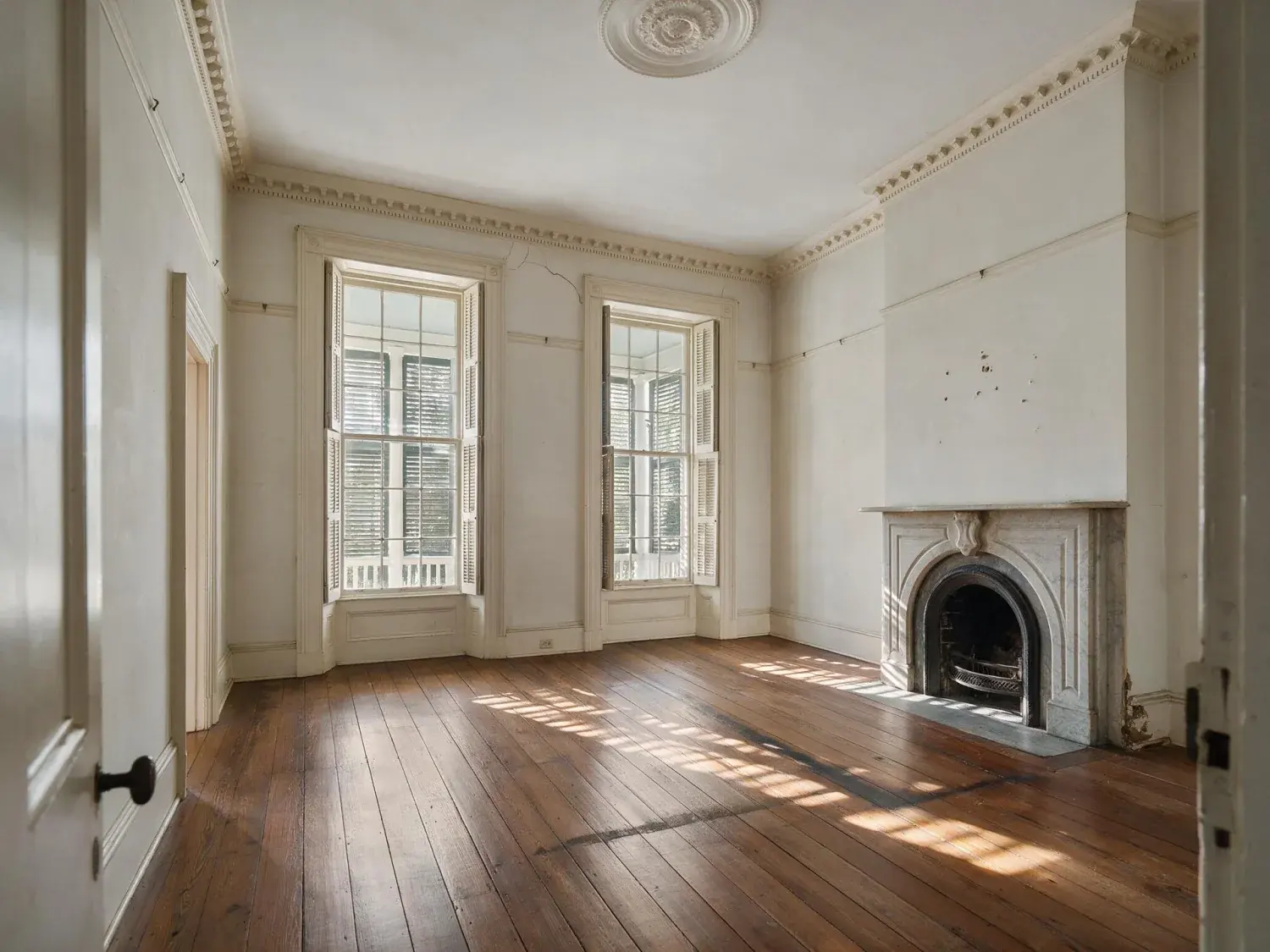
FMLS virtual staging is allowed in principle under FMLS Rules & Regulations, but the images must clear three rule bars. Rule 3.1 is the accuracy bar: "photos shall not be altered or enhanced in any way that might misrepresent the property." That bans fabricated architecture, removed or hidden defects, invented views, and aggressive sky swaps that change the property's actual orientation or setting — while leaving room for additive virtual staging (furniture, rugs, art, accent décor) because those do not misrepresent the property itself. Rule 10.7 is the branding bar: FMLS listings "are intended to be of the property and its attributes only, not self-promotion of Members, businesses or other entities," and "no text may be superimposed on photos" — which means no Plotpane watermark, no brokerage logo, no phone number, no URL, no agent name burned into the frame, including on virtually staged images. Rule 7.2 is the timing bar: at least one photo must be entered into FMLS within 14 calendar days of the listing entry date for every property type except Land/Farm, Commercial and Residential Developed Lots. On top of FMLS's own rulebook, NAR Code of Ethics SoP 12-13's "true picture" obligation follows every FMLS participant, and GAR publishes guidance in the GAR Legal Ease archive (garealtor.com) reminding licensees that altered listing imagery without disclosure can collide with O.C.G.A. §43-40-25(b)(3) unfair-trade-practices review by the Georgia Real Estate Commission. Primary FMLS sources: fmls.com/terms-of-use, kb.fmls.com, firstmls.com/technology/listing-input. Always verify the current FMLS handbook directly — rules evolve, and this page is advisory, not legal advice.
FMLS Rule 3.1 — photos shall not be altered or enhanced in a way that misrepresents the property (additive staging ok, fabricated architecture not ok)
FMLS Rule 10.7 — no text superimposed on photos, no brokerage or agent branding, no contact info, no self-promotion in the image
FMLS Rule 7.2 — at least one photo within 14 calendar days of listing entry (most residential property types)
NAR Code of Ethics SoP 12-13 — "true picture" obligation layered on every FMLS participant
GREC Rule 520-1-.09 and O.C.G.A. §43-40-25(b)(3) — state-level unfair-trade-practices exposure for misleading advertising
02
How Plotpane's workflow lines up with FMLS virtual staging compliance
The fastest way a virtual-staging SaaS trips Rule 10.7 is letting its own brand watermark burn onto every export — and the fastest way to trip Rule 3.1 is letting the model invent architecture that was never there. Plotpane's FMLS virtual staging pipeline is designed around both. Every export on a paid plan is a clean JPEG at about 2.4K with no burned-in Plotpane mark — only the three free signup renders carry one — so the file arrives ready to upload into FMLS without any Rule 10.7 conflict — no competing brand, no overlaid URL, no name on the frame. Staging scope is strictly additive: furniture, bedding, rugs, wall art, styled kitchen counters, table settings — no fabricated fireplaces, no added rooms, no re-routed sight-lines, no removed fixtures, which keeps the output inside Rule 3.1's "shall not misrepresent the property" standard. Every staged export also carries an invisible XMP disclosure tag ("virtually staged by Plotpane") written into the bytes you download, so any compliance desk that asks you for the original — at Berkshire Hathaway HomeServices Georgia Properties, Harry Norman REALTORS, Atlanta Fine Homes Sotheby's International Realty, Dorsey Alston, Compass Atlanta or Ansley — can read the staging record off the file you kept. FMLS ingest re-encodes on upload, so the copy sitting in Matrix will not carry it. The written disclosure still lives in the listing public remarks — standard agent pattern: "One or more photos have been virtually staged for illustration purposes" — which satisfies the NAR Article 12 "true picture" obligation and GAR advertising guidance without violating Rule 10.7 by writing on the photo itself.
Clean exports at about 2.4K on every paid plan — no burned-in Plotpane watermark, so nothing to strip before FMLS upload under Rule 10.7
Additive staging only — furniture, décor, art, textiles — no fabricated architecture that could trip Rule 3.1
Invisible XMP "virtually staged" tag written into the file you upload to Matrix, so the record lives in the export itself
Written virtual-staging disclosure goes in public remarks (NAR SoP 12-13 standard), never on the photo
Rule 7.2 timing is a non-issue — about two minutes a render, so the set ships the same day, well inside the 14-day window
03
Atlanta edge cases: HOAs, dual agency, and cross-posting to GAMLS
Atlanta's HOA landscape is heavy — Buckhead, Tuxedo Park, Chastain Park, Brookhaven, Sandy Springs, Milton, Alpharetta, Peachtree City — and HOA marketing restrictions apply on top of FMLS Rule 3.1. If the HOA restricts amenity photography (pool, clubhouse, gate, private lake), you cannot virtually stage those amenities back in; the HOA's CC&Rs and O.C.G.A. §44-3-220+ (POA Act) still govern, independent of FMLS. Georgia's dual-agency disclosure under O.C.G.A. §10-6A-4 requires written consent when a broker represents both sides — best practice is to restate the virtual-staging disclosure in the BRRETA dual-agency consent form, not only in the MLS caption. Cross-posting is the bigger trap: a large share of Atlanta-metro listings post to both FMLS and Georgia MLS (GAMLS, gamls.com), and a disclosure on FMLS does not cure a non-disclosure on GAMLS — each MLS treats the listing as its own record, and NAR SoP 12-13's "true picture" obligation follows the REALTOR across both. Rule 3.1's altered-image standard also has a close GAMLS analogue, so a staging approach that clears FMLS Rule 3.1 will typically clear GAMLS too, but the caption and remarks disclosure has to be mirrored on both. Plotpane's XMP "virtually staged" metadata is written into the file you download, and both MLSs re-encode images on ingest, so it will not cover for a caption field missed on one of the two — it is your own dated record of what was staged, and the caption and the remarks line still have to be entered twice. Brokerage compliance desks at Harry Norman, Atlanta Fine Homes Sotheby's, Dorsey Alston, Ansley, Compass Atlanta, and Berkshire Hathaway HomeServices Georgia Properties enforce this dual-MLS parity during listing review. Advisory content, not legal advice. Always verify the current MLS handbook — rules evolve.
For this region
Local questions, answered
What is FMLS, and does FMLS have a specific rule for virtual staging in Atlanta?+
FMLS is First Multiple Listing Service — Atlanta's dominant MLS, with roughly 60,000 participants across metro Atlanta and most of northern Georgia (fmls.com, firstmls.com). FMLS does not publish a stand-alone virtual-staging rule with a numbered citation the way ARMLS (Rule 8.23) or NWMLS (Rule 105(d)) do. Virtual-staging compliance rests on three existing FMLS rules: Rule 3.1 (photos shall not be altered or enhanced in a way that misrepresents the property), Rule 10.7 (no text superimposed on photos, no self-promotion), and Rule 7.2 (photo within 14 days of entry), plus NAR Code of Ethics SoP 12-13's "true picture" obligation and GAR advertising guidance. The compliant pattern is: clean unbranded file, additive staging only, "Virtually Staged" noted in the photo description, one-line disclosure in public remarks. In Plotpane that is three steps — upload, run Virtual Staging, export at about 2.4K — at one credit per image.
How do I virtually stage an FMLS photo without violating Rule 10.7?+
Rule 10.7 bans text superimposed on photos and any self-promotion, brokerage branding, or contact info inside the image. That means the virtual-staging tool cannot burn its own watermark onto the export, and you cannot add "Virtually Staged by [Agent Name]" text on the photo itself. The written disclosure goes in the listing's public remarks field (e.g. "One or more photos have been virtually staged for illustration purposes"), and the photo itself stays clean. Plotpane exports every image at about 2.4K with no burned-in watermark on any paid plan, so the file is Rule 10.7-ready on upload to FMLS Matrix. There is an optional visible "Virtually Staged" label for jurisdictions that ask for one — leave it switched off for FMLS.
If I cross-post to FMLS and GAMLS, do I have to disclose virtual staging on both?+
Yes. Each MLS treats the listing as its own record, and a disclosure in one does not cure a non-disclosure in the other. NAR Code of Ethics SoP 12-13's "true picture" obligation follows the REALTOR across every platform, and GAMLS's own listing-accuracy rules run parallel to FMLS Rule 3.1. Plotpane's invisible XMP "virtually staged" tag is written into the file you download, but FMLS and GAMLS both re-encode images on upload and routinely strip metadata, so it will not rescue a caption field missed during input — it is the dated record in your own archive, and the disclosure has to be entered on both.
Is virtual staging worth it for Atlanta listings given FMLS compliance overhead?+
For vacant listings and transitional price points in Buckhead, Inman Park, Decatur, Alpharetta and Sandy Springs, additive virtual staging routinely lifts click-through on Zillow and Realtor.com and reduces days-on-market — and FMLS Rule 3.1 compliance is straightforward when the staging stays additive (furniture, décor, art) rather than architectural. The overhead is lower than many agents expect: one-line public-remarks disclosure, clean ~2.4K export, XMP metadata tag, done. The places it stops being worth it are fabricated-architecture scenarios (rooms that do not exist, removed structural defects) — which cross into Rule 3.1 misrepresentation and, at state level, O.C.G.A. §43-40-25(b)(3) unfair-trade-practices exposure under Georgia Real Estate Commission review.
What is the license-level risk in Georgia if a virtually staged FMLS photo is not disclosed?+
Beyond FMLS image removal under Rule 3.1 or Rule 10.7 compliance enforcement, the Georgia Real Estate Commission can open an advertising complaint under Rule 520-1-.09 and O.C.G.A. §43-40-25(b)(3) for materially misleading marketing. That statute covers "any unfair or deceptive practice" in real estate advertising and attaches direct license-level exposure — fines, suspension, revocation — not just MLS-side consequences. The compliant pattern is Plotpane's clean ~2.4K export + additive staging + "Virtually Staged" caption in the photo description + one-line public-remarks disclosure + XMP metadata as your own dated record. Advisory content, not legal advice — always verify the current FMLS handbook and consult your broker's compliance desk.
Pricing
One credit per image. Every tool, every plan.
Three plans. Every tool unlocked on all of them. Every render unmarked, standard or high resolution, cancel anytime.
Every plan starts with 3 free renders. No card until you subscribe.
Starter
For the solo agent shooting their own listings.
$39/month
billed yearly
100 credits monthly
100 images per month — 1 credit each, whichever tool you use
No Plotpane mark on any render
Every tool, no tier gating
Standard output ~2.4K, or ~4.7K for a second credit
XMP disclosure metadata written into every export
Download a finished listing as a ZIP
Free vertical listing reel from your finished photos
Cinematic clips from a single photo — 1 credit per second of video
That is the whole pricing model. No per-tool rates, no seat maths, nothing to negotiate. We are not SOC 2 certified and there is no SSO, private deployment or API — if you need those to buy, better you know now than after a call.
Starter
4
listings a month
Pro
8
listings a month
Agency
24
listings a month
Questions
The usual questions, answered directly.
No. Midjourney and DALL-E invent scenes from text prompts — beautiful for art, disqualifying for a listing. Plotpane is a structure-preserving pipeline: your room geometry, windows, and floor plan stay exact. We stage, re-light, swap skies, declutter, and enhance your actual photo. No hallucinated architecture, no invented rooms.
BoxBrownie and Styldod are human-edit services: you upload, a retoucher works overnight, you get a result in 24–48 hours at $2–$32 per image per treatment. They also sell things we do not have at all — floor plans, renderings, item removal by a person who can ask you what you meant. Plotpane is one machine pass: you pick one of seven tools, and the image comes back in about two minutes for one credit, whichever tool you picked, on a flat monthly subscription. Stacking two treatments on one photo means running it twice.
Yes, when disclosed. NAR guidelines, California AB 723, and REBNY Rule 3.3 all allow virtually staged photos provided the listing discloses them. Every Plotpane export embeds invisible XMP disclosure metadata so the staging record travels with the file. You still handle the listing-remarks disclosure in your MLS portal — that's the part only you can do.
Every render is sent with a preserve list as well as an instruction. It names one operation and forbids the rest: do not touch windows, doors, walls, ceilings, floors, cabinetry or fixtures unless the instruction names them; do not remove or conceal a defect, stain or crack; do not change what is visible through glass, and never invent a view. Furniture is added to empty rooms; named objects are removed from furnished ones; sky and light are re-graded. If you do see something invented, that is a bug — report the render in the app and the credit comes back.
Yes — one click in the Stripe billing portal from your dashboard. Billing stops immediately, remaining credits stay usable through the end of the billing period, and there's no cancellation fee.
Yes — any AI-generated or AI-modified image is considered an edit requiring disclosure under NAR's standards. That's why every Plotpane export writes invisible XMP disclosure metadata by default. The flag is machine-readable by MLS tooling and survives Lightroom round-trips. You still add the disclosure line to your listing remarks; we make sure the image itself is self-describing.
The toolkit
Seven tools. One credit each.
Every one is a single structure-preserving pass: it changes what you asked for and leaves the building alone.