MRED virtual staging compliance: Midwest Real Estate Data Rules and Regulations (revised March 20, 2026) + Illinois Real Estate License Act of 2000 (225 ILCS 454) + NAR Standard of Practice 12-13
Midwest Real Estate Data, LLC (MRED) is the multiple listing service for the Chicago metropolitan area — serving roughly 40,000 subscribers across Illinois, northwest Indiana, and southern Wisconsin — and its virtual staging compliance obligations come from one controlling document layered on top of state law: the MRED Rules and Regulations, most recently revised March 20, 2026 and published at mredllc.com/comms/resources/MREDRulesAndRegulations.pdf, together with the Illinois Real Estate License Act of 2000 (225 ILCS 454) and its implementing Illinois Administrative Rule 1450 (68 Ill. Adm. Code 1450). This page is the practical compliance reference for listings in Chicago proper — Gold Coast, Lincoln Park, Lakeview, Wicker Park, Bucktown, River North, West Loop, Streeterville — and the Chicagoland suburbs: what MRED actually permits, how to disclose virtual staging on an MRED listing, where the Chicago high-rise view and HOA edge cases live, and how Plotpane's pipeline stays inside the rule.
MRED Rules and Regulations (revised 3/20/2026) — what the rule actually says about photos
The controlling text for virtually staged photos on MRED is the Rules and Regulations of Midwest Real Estate Data, LLC, revised March 20, 2026, published at mredllc.com/comms/resources/MREDRulesAndRegulations.pdf. MRED defines virtual staging as using photo editing software to create a photo or conceptual rendering of what a room or property could look like if it were staged or lived in. The rule permits additive staging of personal-property items that would not convey with the real property — furniture, rugs, artwork, bedding. The rule explicitly prohibits modifying a photo to include visual elements that are not within the property owner's control, and equally prohibits modifying a photo to exclude visual elements that are not within the property owner's control. That two-sided boundary is the one Chicago agents most often trip on: a Hancock view through a Streeterville high-rise window cannot be fabricated, and a utility pole or neighbor's fence in a Lincoln Park frame cannot be cloned out. MRED also requires the standard upload cadence — at least one photo at listing entry, with the balance loaded promptly — and expects virtually staged images to be identified so a consumer can recognize them at a glance. Industry compliance references (roomstage.ai, listingstageai.com) flag MRED as one of the stricter U.S. MLS bodies on image marking — plan for a clear on-image or caption identifier rather than disclosure buried only in remarks.
Source: MRED Rules and Regulations, revised March 20, 2026 (mredllc.com/comms/resources/MREDRulesAndRegulations.pdf)
MRED definition: "a photo or conceptual rendering of what a room and/or property could look like, if it was staged or lived in"
Permitted: adding personal-property items not conveyed with the real property (furniture, rugs, art, bedding)
Prohibited: modifying a photo to include or to exclude visual elements outside the owner's control
Identify virtually staged images in the MLS — caption plus public-remarks disclosure is the safe pattern
NAR Code of Ethics Standard of Practice 12-13 — no misleading use of images — binds every MRED REALTOR subscriber
02
Plotpane workflow for MRED: ~2.4K export, photo description caption, XMP metadata, Chicago brokerage handoff
Plotpane produces staged exports at the same size on every plan — about 2.4K, or roughly 4.7K for a second credit — with no watermark on any paid plan, and every staged file carries an invisible XMP disclosure tag identifying it as virtually staged. That tag is written into the bytes you download rather than into a sidecar, so the dated record of the edit sits in your own archive. It does not travel: Lightroom, a brokerage marketing centre at Compass Chicago or @properties Christie's International Real Estate, a Jameson Sotheby's, Baird & Warner or Berkshire Hathaway HomeServices Chicago listing pack, connectMLS ingest and portal syndication all re-encode images on upload and routinely strip metadata. What follows the listing downstream is the caption and the public-remarks disclosure MRED asks for, plus the visible "Virtually Staged" label if you switch it on. The MRED compliance workflow is four steps. Step one, export from Plotpane — the XMP tag is written automatically, and because Plotpane's pipeline is scoped to additive personal-property staging it sits inside MRED's permitted boundary. Step two, in connectMLS, enter "Virtually Staged" in the photo description field for every edited frame — this is the caption-level identification MRED expects. Step three, add a single disclosure line to the public remarks, something like "Select photos are virtually staged for illustration; furniture does not convey" — this mirrors the disclosure in the narrative that syndicates to Zillow, Redfin, Realtor.com, and Trulia. Step four, if your brokerage policy requires a visible mark, switch on Plotpane's optional "Virtually Staged" label before you export, or lay your brokerage-standard label on top — the export is otherwise clean, so there is no pre-burned watermark to fight underneath.
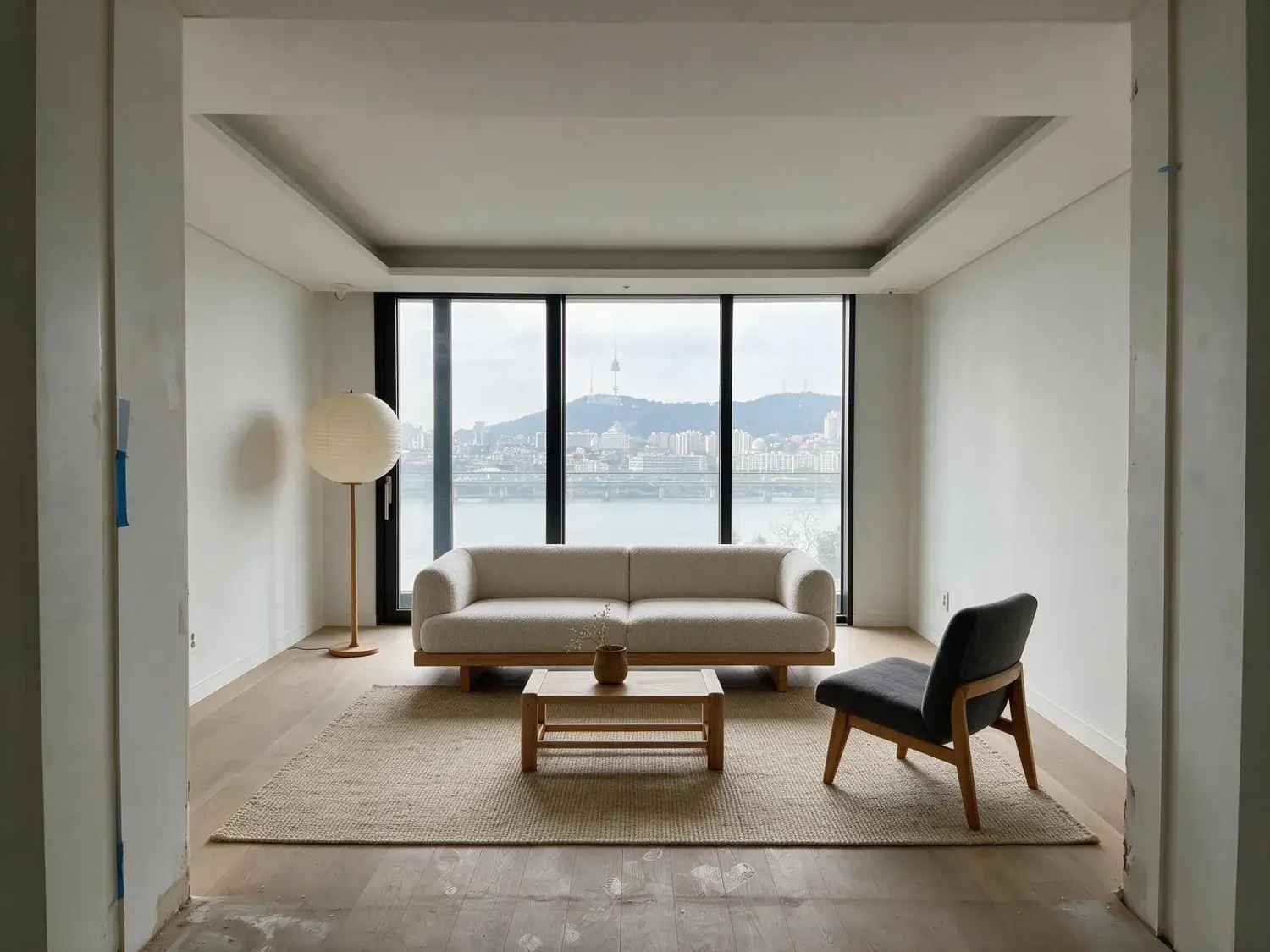
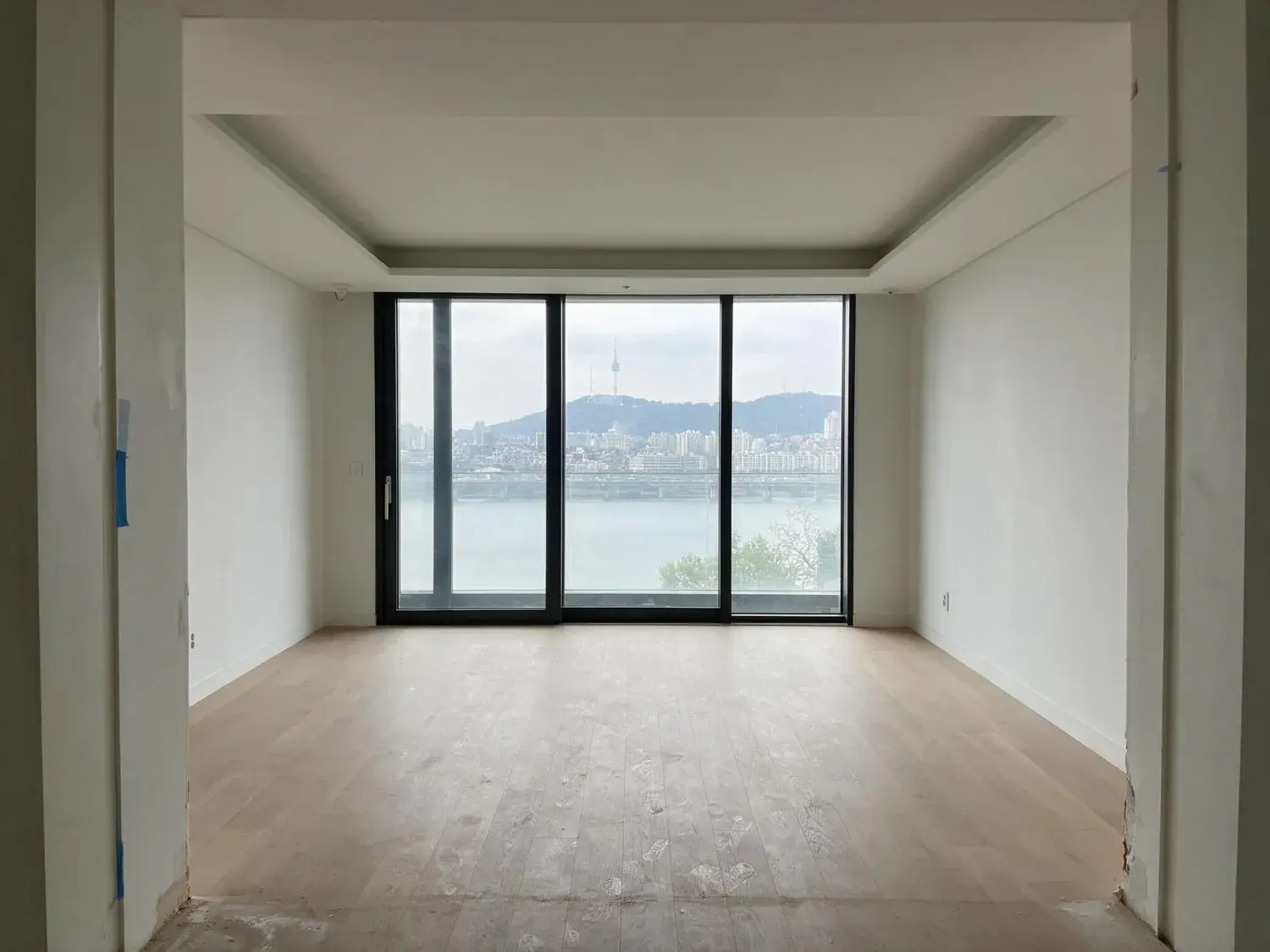
Virtual Staging in Plotpane is additive only — no wall repainting, no fabricated views, no removed structures or utility poles
Invisible XMP disclosure tag written into every staged export — about 2.4K, no watermark on any paid plan
Step 1: set "Virtually Staged" in the connectMLS photo description field for each edited image
Step 2: add a single disclosure line to the public remarks so it syndicates to Zillow, Redfin, Realtor.com, Trulia
Step 3: switch on the optional visible "Virtually Staged" label, or lay your brokerage-mandated label on top of the clean export
XMP disclosure sits inside the JPEG you download — your own dated record of the edit, not something that survives MLS or portal re-encoding
Four recurring Chicago-market edge cases deserve attention. High-rise views: a Gold Coast, Streeterville, or River North unit often markets its window view as a primary asset. That view is a visual element outside the owner's control, and MRED prohibits adding, altering, or enhancing it — leave the window alone and stage the interior. HOA and condo declarations: Chicago condominium associations (Streeterville towers, Lakeview courtyard buildings, West Loop conversions) can impose marketing restrictions through the declaration — if the HOA restricts amenity photography (rooftop decks, pools, common lounges), virtually staging those amenities implies use rights the seller cannot convey. Dual agency: Illinois allows dual agency under 225 ILCS 454/15-45 with written consent, and when one licensee represents both parties the virtual staging disclosure belongs in the dual-agency consent form as well as the MRED caption. License Act advertising: 225 ILCS 454/10-30 and Illinois Administrative Rule 1450 prohibit false, deceptive, or misleading advertising, and the Illinois Department of Financial and Professional Regulation (IDFPR) can discipline licensees for materially misleading virtual staging independent of any MRED sanction. Scope: MRED's personal-property rule permits sofas, rugs, and art, but not repainted walls, swapped flooring, added decks, new landscaping, cloned-out telephone poles, or fabricated skylines.
Chicago window views — Hancock, Willis, skyline, lakefront — cannot be added, altered, or enhanced via staging
HOA and condo declarations — Streeterville, Gold Coast, West Loop conversions — can restrict amenity imagery independently of MRED
Dual agency — 225 ILCS 454/15-45 written consent — restate staging disclosure in the consent form
225 ILCS 454/10-30 and Illinois Admin Rule 1450 — IDFPR can discipline misleading advertising separately from MRED
Scope: personal property only; no wall repaints, flooring swaps, added decks, new landscaping, cloned-out poles or fences
For this region
Local questions, answered
Does MRED require a visible watermark on virtually staged photos, or is the caption enough?+
MRED's Rules and Regulations (revised 3/20/2026) require clear identification of virtually staged images so a consumer can recognize them at a glance — the caption "Virtually Staged" in the photo description field plus a public-remarks disclosure line is the baseline. Industry compliance references flag MRED as one of the stricter MLS bodies on image marking, so many Chicago brokerages (@properties Christie's International Real Estate, Jameson Sotheby's, Baird & Warner, Berkshire Hathaway Chicago, Compass Chicago) additionally apply a visible "Virtually Staged" label on the image itself as brokerage policy. Plotpane ships clean ~2.4K exports with no watermark on any paid plan, plus an optional visible "Virtually Staged" label you can switch on, so you can meet whatever your brokerage requires without fighting a pre-existing mark. Advisory content, not legal advice. Always verify the current MLS handbook — rules evolve.
Can I use virtual staging to remove a telephone pole, construction crane, or neighbor's fence from a Lincoln Park or Bucktown listing photo?+
No. The MRED Rules and Regulations prohibit modifying a photo to exclude visual elements not within the property owner's control — a utility pole in the public right-of-way, a construction crane on an adjacent parcel, or a neighbor's fence is outside the seller's control, and removal is a rule violation even if the image is otherwise disclosed as virtually staged. Separately, 225 ILCS 454/10-30 and Illinois Administrative Rule 1450 prohibit materially misleading advertising, so IDFPR exposure attaches on top of any MRED sanction. Plotpane's Virtual Staging tool is additive only — sofas, rugs, art. Clutter Removal is a separate tool, and on an MRED listing you keep it to the seller's own belongings inside the property, never to a pole, a crane or a fence outside it. Advisory content, not legal advice. Always verify the current MLS handbook — rules evolve.
What's the enforcement risk if the "Virtually Staged" caption is missed on an MRED listing?+
MRED can remove the non-compliant image, require correction, and assess participant-level fines; repeated violations escalate. Separately, the Illinois Department of Financial and Professional Regulation (IDFPR) can open an advertising complaint under 225 ILCS 454 and Illinois Administrative Rule 1450 against the licensee and, where applicable, the managing broker. NAR Code of Ethics Standard of Practice 12-13 adds a third channel through the local board. The compliant pattern is caption ("Virtually Staged" in the connectMLS photo description) plus a one-line public-remarks disclosure plus Plotpane's XMP metadata as your own dated record of the edit. Advisory content, not legal advice. Always verify the current MLS handbook — rules evolve.
Pricing
One credit per image. Every tool, every plan.
Three plans. Every tool unlocked on all of them. Every render unmarked, standard or high resolution, cancel anytime.
Every plan starts with 3 free renders. No card until you subscribe.
Starter
For the solo agent shooting their own listings.
$39/month
billed yearly
100 credits monthly
100 images per month — 1 credit each, whichever tool you use
No Plotpane mark on any render
Every tool, no tier gating
Standard output ~2.4K, or ~4.7K for a second credit
XMP disclosure metadata written into every export
Download a finished listing as a ZIP
Free vertical listing reel from your finished photos
Cinematic clips from a single photo — 1 credit per second of video
That is the whole pricing model. No per-tool rates, no seat maths, nothing to negotiate. We are not SOC 2 certified and there is no SSO, private deployment or API — if you need those to buy, better you know now than after a call.
Starter
4
listings a month
Pro
8
listings a month
Agency
24
listings a month
Questions
The usual questions, answered directly.
No. Midjourney and DALL-E invent scenes from text prompts — beautiful for art, disqualifying for a listing. Plotpane is a structure-preserving pipeline: your room geometry, windows, and floor plan stay exact. We stage, re-light, swap skies, declutter, and enhance your actual photo. No hallucinated architecture, no invented rooms.
BoxBrownie and Styldod are human-edit services: you upload, a retoucher works overnight, you get a result in 24–48 hours at $2–$32 per image per treatment. They also sell things we do not have at all — floor plans, renderings, item removal by a person who can ask you what you meant. Plotpane is one machine pass: you pick one of seven tools, and the image comes back in about two minutes for one credit, whichever tool you picked, on a flat monthly subscription. Stacking two treatments on one photo means running it twice.
Yes, when disclosed. NAR guidelines, California AB 723, and REBNY Rule 3.3 all allow virtually staged photos provided the listing discloses them. Every Plotpane export embeds invisible XMP disclosure metadata so the staging record travels with the file. You still handle the listing-remarks disclosure in your MLS portal — that's the part only you can do.
Every render is sent with a preserve list as well as an instruction. It names one operation and forbids the rest: do not touch windows, doors, walls, ceilings, floors, cabinetry or fixtures unless the instruction names them; do not remove or conceal a defect, stain or crack; do not change what is visible through glass, and never invent a view. Furniture is added to empty rooms; named objects are removed from furnished ones; sky and light are re-graded. If you do see something invented, that is a bug — report the render in the app and the credit comes back.
Yes — one click in the Stripe billing portal from your dashboard. Billing stops immediately, remaining credits stay usable through the end of the billing period, and there's no cancellation fee.
Yes — any AI-generated or AI-modified image is considered an edit requiring disclosure under NAR's standards. That's why every Plotpane export writes invisible XMP disclosure metadata by default. The flag is machine-readable by MLS tooling and survives Lightroom round-trips. You still add the disclosure line to your listing remarks; we make sure the image itself is self-describing.
The toolkit
Seven tools. One credit each.
Every one is a single structure-preserving pass: it changes what you asked for and leaves the building alone.