Plotpane · Virtual staging software category
Virtual staging software category

Plotpane: vacant home staging software for MLS-ready galleries

Plotpane is the vacant home staging software real estate agents pick when BoxBrownie, Stuccco, and freelance human stagers quote three to five days and $25 to $45 per photo. Ten built-in styles across six room types, roughly two minutes per room, a JPEG at quality 92 and about 2.4K with headroom for MLS re-encoding, and an invisible XMP disclosure tag written into every staged export — all on a flat monthly subscription. One credit per image whichever tool you use, no watermark on any paid plan, no three-day turnaround.

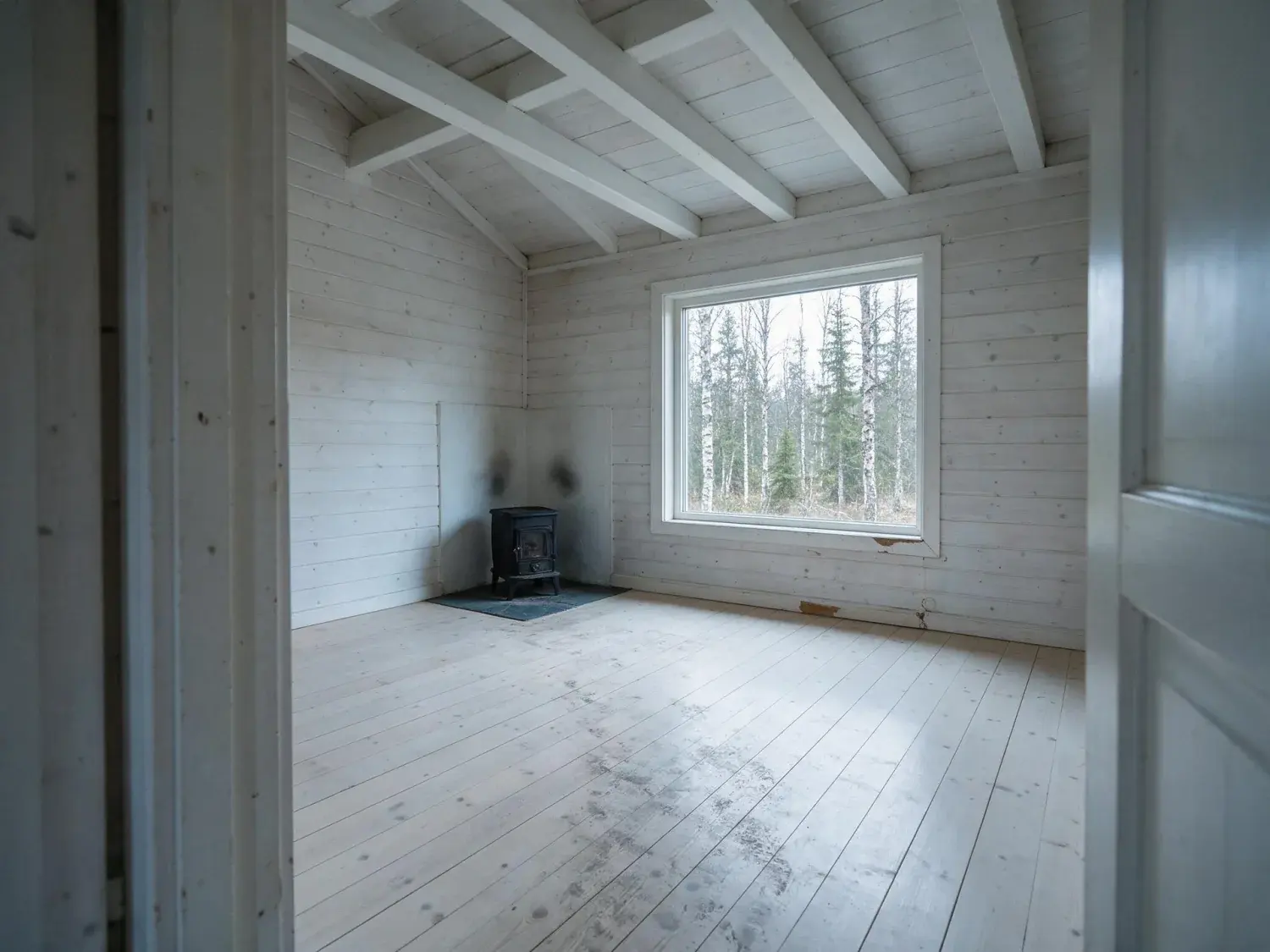
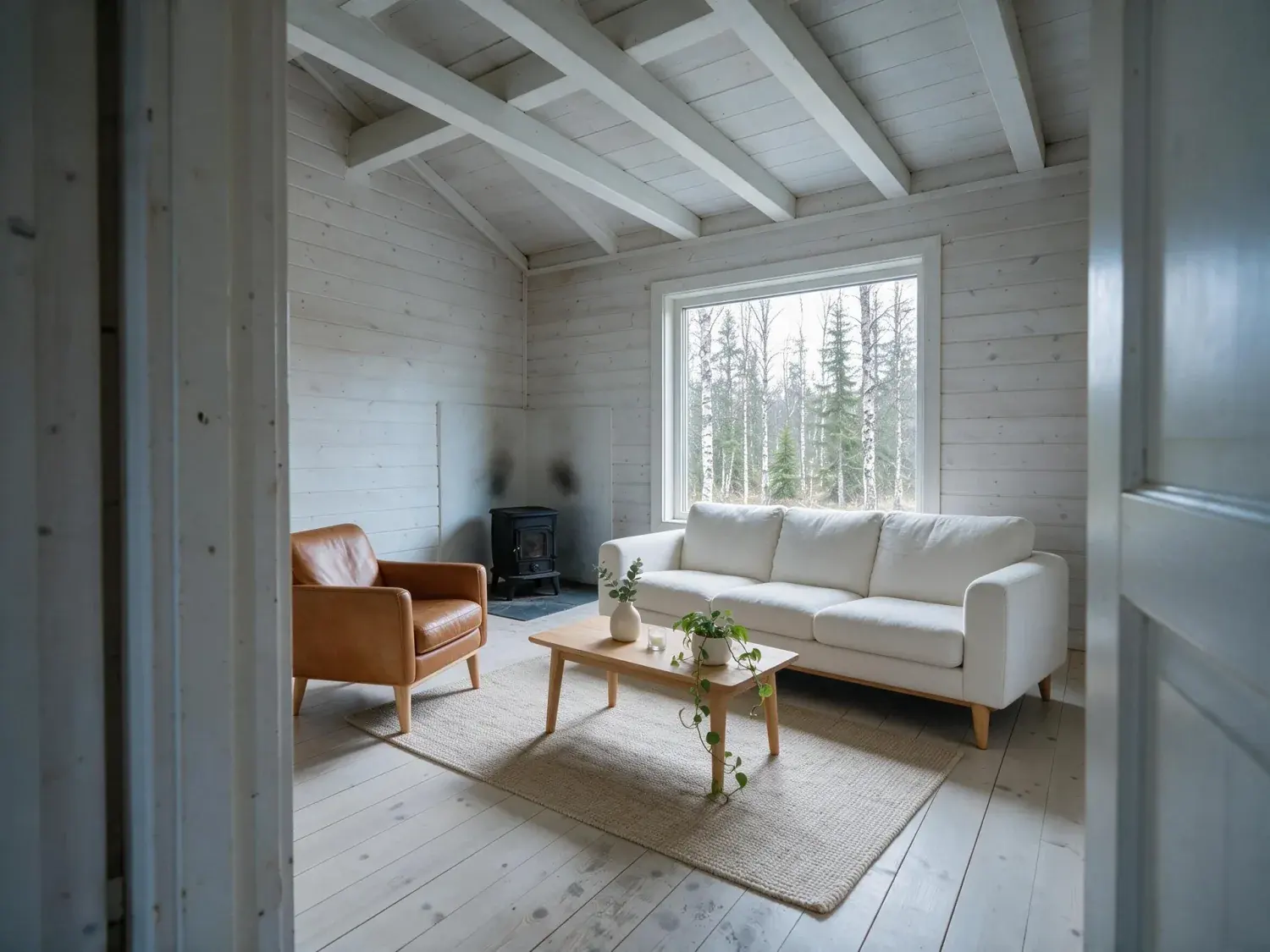
Before and after of a blackened-larch scandinavian cabin interior, a blank pale-wood shell transformed into a serene nordic retreat — enhanced by Plotpane
Before and after of a blackened-larch scandinavian cabin interior, a blank pale-wood shell transformed into a serene nordic retreat — original listing photo before editing
BeforeAfter
01

Why 'vacant home staging software' is a category, not a feature

A feature lives inside someone else's product. A category has its own buyer. Agents evaluating vacant home staging software in 2026 are not shopping for a filter — they are replacing a line item on the listing P&L. Physical staging of a vacant house still quotes $2,000 to $6,000 per listing with a 60 to 90 day minimum, and the human virtual staging services that dominate the Brave SERP — BoxBrownie, Stuccco, Styldod, VisualStager, RoOomy — meter per photo at $25 to $45 and return work in two to five business days. That pricing model is incompatible with how MLS listings actually go live: the photographer shoots Tuesday, the seller wants the listing on Zillow by Thursday, and a vacant twelve-room gallery needs every shot bundled into one cohesive style before the open house on Saturday. Plotpane is architected for that cadence. Upload, pick a style, work through the house, export — about two minutes per room, flat subscription, one credit per image, about 2.4K out.

02

Ten built-in styles, tuned for MLS buyer psychology

Generic 'AI furniture' loses listings. Buyers scrolling Redfin and Realtor.com scan for coherence — a coastal cottage staged with mid-century walnut reads as off, and the listing gets swiped past in under two seconds. Plotpane ships ten built-in styles, each with its own furniture vocabulary, and six room types to apply them to, so the whole vacant house reads as one listing instead of five Pinterest boards.

  • Modern — low-profile sectional, matte black accents, neutral palette; suits urban condos and new-construction downtown
  • Mid-Century — walnut casegoods, tapered legs, olive and mustard accents; suits post-war ranches and split-levels
  • Scandinavian — pale wood, light textiles, restrained shapes; suits smaller rooms that need to read larger
  • Coastal — rattan, pale oak, soft blue-grey; suits shoreline, lake, and Florida condo inventory
  • Luxury — deep upholstery, stone and brass, considered restraint; suits estate and high-band listings
  • Japandi — quiet lines, low profiles, heavy negative space; suits minimal interiors and pre-construction shells
  • European Classic — panelled formality, classic silhouettes, warm neutrals; suits period stock and townhouses
  • Industrial — steel, leather, exposed brick and beam; suits lofts and warehouse conversions
  • Mediterranean — terracotta, plaster, woven texture; suits villas, courtyards and warm-climate stock
  • Gulf Modern — majlis seating, patterned detail, generous scale; suits Gulf and wider Middle East inventory
03

about two minutes per room, bundled — the speed nobody else ships

The six- to twelve-hour turnaround promised by mainstream virtual staging services is an architectural choice, not a physics limit. Plotpane runs on a next-generation image model tuned for scene-level consistency, so the full vacant set — living room, dining room, kitchen, bedrooms, home office, outdoor — renders in roughly two minutes per room at about 2.4K. A twelve-photo vacant listing comes back in about twenty-five minutes end-to-end, and twelve photos sits comfortably inside the 25-image batch ceiling on Pro. Shoot Saturday morning, MLS-ready bundle by lunch, listing live Saturday night. That is not theoretical — that is the tight pre-listing window your photographer and your seller already operate inside.

04

JPEG at quality 92, about 2.4K — engineered for MLS re-compression

Most MLS platforms re-encode uploaded photos, and cheap 1080p virtual staging turns to textural mush on the first pass. Plotpane exports a JPEG at quality 92, which is where photographic compression curves flatten out: indistinguishable from the source at normal viewing distance, and robust enough to survive Matrix, Flexmls, Bright, Stellar, and CRMLS re-encoding without the sofa edges going soft. The standard export lands around 2.4K on the long edge, and a second credit re-renders the same room at roughly 4.7K when you want headroom for a print piece or a full-bleed hero. Mobile buyers — who now drive 70 percent of portal traffic — are the ones judging that gallery, and Zillow and Redfin both weight fast-loading galleries in their internal listing-score models.

05

XMP disclosure, baked into every export

NAR Standard of Practice 12-5, California AB 723, REBNY's strict-disclosure rule, Texas TREC guidance, Florida DBPR, and New York DOS all require that digitally staged listing photos be identifiable as such. Plotpane writes an invisible XMP metadata tag — 'Virtually Staged by Plotpane', with a UTC timestamp — into every staged JPEG export. That tag is written into the bytes you download; the MLSs and the major portals re-encode images on upload and routinely strip metadata, so treat the XMP as the record in your own archive rather than something that travels. Pair the export with a one-line note in your MLS remarks ('Photos include virtually staged rooms') and you are aligned with every state commission rule we have reviewed — without burning anything onto the hero image the buyer sees first on any paid plan. If your broker would rather the disclosure were visible, there is an optional 'Virtually Staged' label you can switch on.

06

Pricing tiers — flat subscription, no per-image metering

BoxBrownie, Stuccco, and VirtualStagingAI's pro plans all meter per photo, and bill again for the next one. Plotpane meters in credits instead — one credit per image, whichever of the seven tools you use. Pick the tier that matches your listing cadence. Credits reset at the start of each period rather than rolling over, so size the plan to the month you actually have.

  • Starter — $49 a month, or $39 billed annually; 40 images, batches of up to 5, all ten styles, JPEG export at about 2.4K, XMP disclosure, email support
  • Pro — $99 a month, or $79 billed annually; 120 images, batches of up to 25, ZIP download of a finished listing, priority support
  • Agency — $249 a month, or $199 billed annually; 400 images, batches of up to 100, ZIP download, the lowest cost per image, and a direct line to the founder
  • All tiers export the same JPEG at quality 92 and about 2.4K — resolution is not tiered here — so the hero image survives MLS compression and Instagram crops
  • Every paid plan ships clean — no burned-in watermark on any export — so nothing stops the file from going straight into your MLS photo order
07

How Plotpane compares to the software category leaders

The 2026 Brave SERP for 'virtual staging software' surfaces the same nine names agents benchmark against: Stuccco, BoxBrownie, VirtualStagingAI, REimagineHome, Styldod, AI HomeDesign, Apply Design, VisualStager, and RoOomy. Every one of them is a legitimate option — and every one of them forces a trade-off Plotpane does not.

  • Stuccco and BoxBrownie — human-rendered, premium quality, but $25 to $45 per photo and two to five business days; wrong cadence for pre-listing
  • VirtualStagingAI and Apply Design — fast AI rendering, but 1080p or 2K exports that soften under MLS re-compression
  • REimagineHome and Styldod — broad feature set, but per-image metering that punishes agents who shoot 40 photos per house
  • AI HomeDesign and VisualStager — capable tools, but manual furniture placement that scales poorly past three listings a week
  • RoOomy — strong 3D pipeline for new construction, but overkill and over-priced for the standard vacant listing
  • Plotpane — AI-speed, a quality 92 JPEG at about 2.4K, XMP disclosure, flat subscription, ten built-in styles; built for the exact pre-listing pre-MLS moment the category overlooks
For this region

Local questions, answered

What is vacant home staging software, and how is it different from a virtual staging service?+

A virtual staging service — BoxBrownie, Stuccco, Styldod — is a human workflow wrapped in a web form: you upload a photo, a designer renders it, you get the file back in two to five business days at $25 to $45 per image. Vacant home staging software like Plotpane is a self-serve tool: you upload the shot, pick one of ten built-in styles, and export the staged JPEG — quality 92, about 2.4K — in roughly two minutes per room on a flat subscription. For vacant listings going live on MLS the same week they are shot, the software path is the only viable cadence.

How much does virtual staging software cost compared to per-photo services?+

BoxBrownie and Stuccco meter at roughly $25 to $45 per photo. A twelve-image vacant listing costs $300 to $540 per staging pass — and that is before revisions. Plotpane's Starter tier is $49 a month — $39 billed annually — for 40 images, with the same export size on every plan — about 2.4K — and one credit per image whichever of the seven tools you use. A single twelve-image listing pays the subscription back on the first Saturday. Pro is $99 for 120 images, Agency $249 for 400, which is where the cost per image drops to roughly sixty cents for brokerage-scale operators.

Is the JPEG export at about 2.4K actually MLS-compatible?+

Yes. Plotpane exports JPEG at quality 92, the compression sweet spot for photographic content — around 2.4K on the long edge as standard, or roughly 4.7K if you spend a second credit on the same room. JPEG is what Matrix, Flexmls, Bright MLS, Stellar MLS, and CRMLS have always taken, so there is no conversion step and nothing to explain to your photo coordinator. Re-encoding preserves furniture edge fidelity at q92 in a way cheap 1080p AI staging does not — though that same re-encode strips the XMP disclosure tag, so the file you download is the record you keep.

How does Plotpane's XMP disclosure work, and does it satisfy NAR SoP 12-5?+

Every staged export carries an invisible XMP metadata tag — 'Virtually Staged by Plotpane' plus a UTC timestamp — embedded in the file header. The metadata is machine-readable and sits in the bytes you download, but the MLS and the portals behind Zillow, Redfin and Realtor.com re-encode on upload and routinely strip metadata, so treat it as the record in your own archive rather than something that syndicates. The disclosure the rule turns on is the one-line note in your MLS remarks ('Photos include virtually staged rooms'), and that satisfies NAR Standard of Practice 12-5, California AB 723, REBNY strict disclosure, TREC guidance, Florida DBPR, and New York DOS requirements. Your unstaged original is untouched on your own drive, so both can go into the MLS photo set if your broker prefers, and there is an optional visible 'Virtually Staged' label you can switch on when you would rather the disclosure sat on the face of the image.

Can I switch styles on the same room, or is it locked in after the first render?+

Re-render as often as you like — each pass costs one credit, the same as the first. Render the living room in Modern, see how it reads, re-render in Mid-Century, compare the two, pick the one that matches the house. Same for every room in the set. Style is a choice, not a commitment — this is why agents staging estate sales and spec homes specifically ask for software over services: they need to see the house in two or three style vocabularies before the seller signs off on the MLS gallery. Budget a couple of spare credits per listing for exactly that.

What about 3D, 360, or virtual tour formats — does Plotpane ship those?+

No — and that is a deliberate product boundary. RoOomy, Planner 5D, and the 3D-first platforms serve new-construction pre-sale and high-end developer marketing where a full walkable model pays back. For the 95 percent of MLS listings that just need a staged photo gallery to win the first click, 3D is overkill and the budget is wrong. Plotpane optimizes relentlessly for the 2D hero shot plus the bundled MLS gallery, which is where vacant-listing conversion is actually won.

Does Plotpane integrate with my MLS or CRM?+

No. There is no API, no MLS connector and no CRM integration on any tier, and nothing you should sit and wait for. Every plan exports a clean JPEG — quality 92, about 2.4K — that drops into the MLS photo order in one drag, exactly like a frame straight off the camera — and the XMP disclosure tag is written into that file, though the MLS re-encodes on upload and strips it, so keep the export as your own record. On Pro and Agency you can download a finished listing as a single ZIP, which is usually the quicker path when twelve rooms are going into Matrix, Flexmls or Bright in one sitting.

Who is Plotpane built for — solo agents, teams, or brokerages?+

Solo listing agents, mostly. Plotpane is a single-user web app — no team seats, no shared workspace, no admin roles — so a two-agent team runs two accounts. The tiers scale volume rather than governance: agents staging two to three vacants a month pick Starter at 40 images, a steady listing cadence picks Pro at 120 images with batches of 25 and ZIP download, and regional brokerages, iBuyers and institutional flippers pick Agency at 400 images, batches of 100, and a direct line to the founder. The staging tool itself is identical across all three.
Pricing

One credit per image.
Every tool, every plan.

Three plans. Every tool unlocked on all of them. Every render unmarked, standard or high resolution, cancel anytime.

Every plan starts with 3 free renders. No card until you subscribe.

Starter

For the solo agent shooting their own listings.

$39/month

billed yearly

40 credits monthly

  • 40 images per month — 1 credit each, whichever tool you use
  • No Plotpane mark on any render
  • Every tool, no tier gating
  • Standard output ~2.4K, or ~4.7K for a second credit
  • XMP disclosure metadata written into every export
  • Up to 5 photos per batch
  • Email support
Subscribe to Starter

For one agent, listing by listing.

Most popular

Pro

For top-producing agents and real-estate photographers.

$79/month

billed yearly

120 credits monthly

  • 120 images per month — 1 credit each, whichever tool you use
  • No Plotpane mark on any render
  • Up to 25 photos per batch, one preset across the shoot
  • Download a finished listing as a ZIP
  • Everything in Starter
  • Priority support
Subscribe to Pro

The plan a working photographer buys.

Agency

For brokerages, teams, and photography networks.

$199/month

billed yearly

400 credits monthly

  • 400 images per month — 1 credit each, whichever tool you use
  • No Plotpane mark on any render
  • Up to 100 photos per batch
  • Download a finished listing as a ZIP
  • Everything in Pro
  • Direct line to the founder, not a ticket queue
Subscribe to Agency

For a brokerage running whole shoots.

FeatureStarter$39/mo annualPro$79/mo annualAgency$199/mo annual
Renders per month40120400
Credits per image111
All seven tools
Free renders on sign-up333
Plotpane mark on the imageNoneNoneNone
Standard output (~2.4K)
High resolution (~4.7K, second credit)
XMP disclosure written into every export
Optional visible “Virtually Staged” label
Photos per batch525100
Download a set as a ZIP
Refund a render that came back wrong
SupportEmailPriority emailDirect to the founder
Cancel anytime, one click
At volume

A 25-photo listing costs 25 credits.

That is the whole pricing model. No per-tool rates, no seat maths, nothing to negotiate. We are not SOC 2 certified and there is no SSO, private deployment or API — if you need those to buy, better you know now than after a call.

Starter

1

listings
a month

Pro

4

listings
a month

Agency

16

listings
a month

Questions

The usual questions,
answered directly.

  • No. Midjourney and DALL-E invent scenes from text prompts — beautiful for art, disqualifying for a listing. Plotpane is a structure-preserving pipeline: your room geometry, windows, and floor plan stay exact. We stage, re-light, swap skies, declutter, and enhance your actual photo. No hallucinated architecture, no invented rooms.

  • BoxBrownie and Styldod are human-edit services: you upload, a retoucher works overnight, you get a result in 24–48 hours at $2–$32 per image per treatment. They also sell things we do not have at all — floor plans, renderings, item removal by a person who can ask you what you meant. Plotpane is one machine pass: you pick one of seven tools, and the image comes back in about two minutes for one credit, whichever tool you picked, on a flat monthly subscription. Stacking two treatments on one photo means running it twice.

  • Yes, when disclosed. NAR guidelines, California AB 723, and REBNY Rule 3.3 all allow virtually staged photos provided the listing discloses them. Every Plotpane export embeds invisible XMP disclosure metadata so the staging record travels with the file. You still handle the listing-remarks disclosure in your MLS portal — that's the part only you can do.

  • Every render is sent with a preserve list as well as an instruction. It names one operation and forbids the rest: do not touch windows, doors, walls, ceilings, floors, cabinetry or fixtures unless the instruction names them; do not remove or conceal a defect, stain or crack; do not change what is visible through glass, and never invent a view. Furniture is added to empty rooms; named objects are removed from furnished ones; sky and light are re-graded. If you do see something invented, that is a bug — report the render in the app and the credit comes back.

  • Yes — one click in the Stripe billing portal from your dashboard. Billing stops immediately, remaining credits stay usable through the end of the billing period, and there's no cancellation fee.

  • Yes — any AI-generated or AI-modified image is considered an edit requiring disclosure under NAR's standards. That's why every Plotpane export writes invisible XMP disclosure metadata by default. The flag is machine-readable by MLS tooling and survives Lightroom round-trips. You still add the disclosure line to your listing remarks; we make sure the image itself is self-describing.

Ready when you are

Stop re-uploading.
Start shipping listing-ready.

Seven tools, one credit an image, a finished JPEG back in about two minutes — on every plan.

Get startedSee the before/aftersEvery tool on every plan · cancel anytime