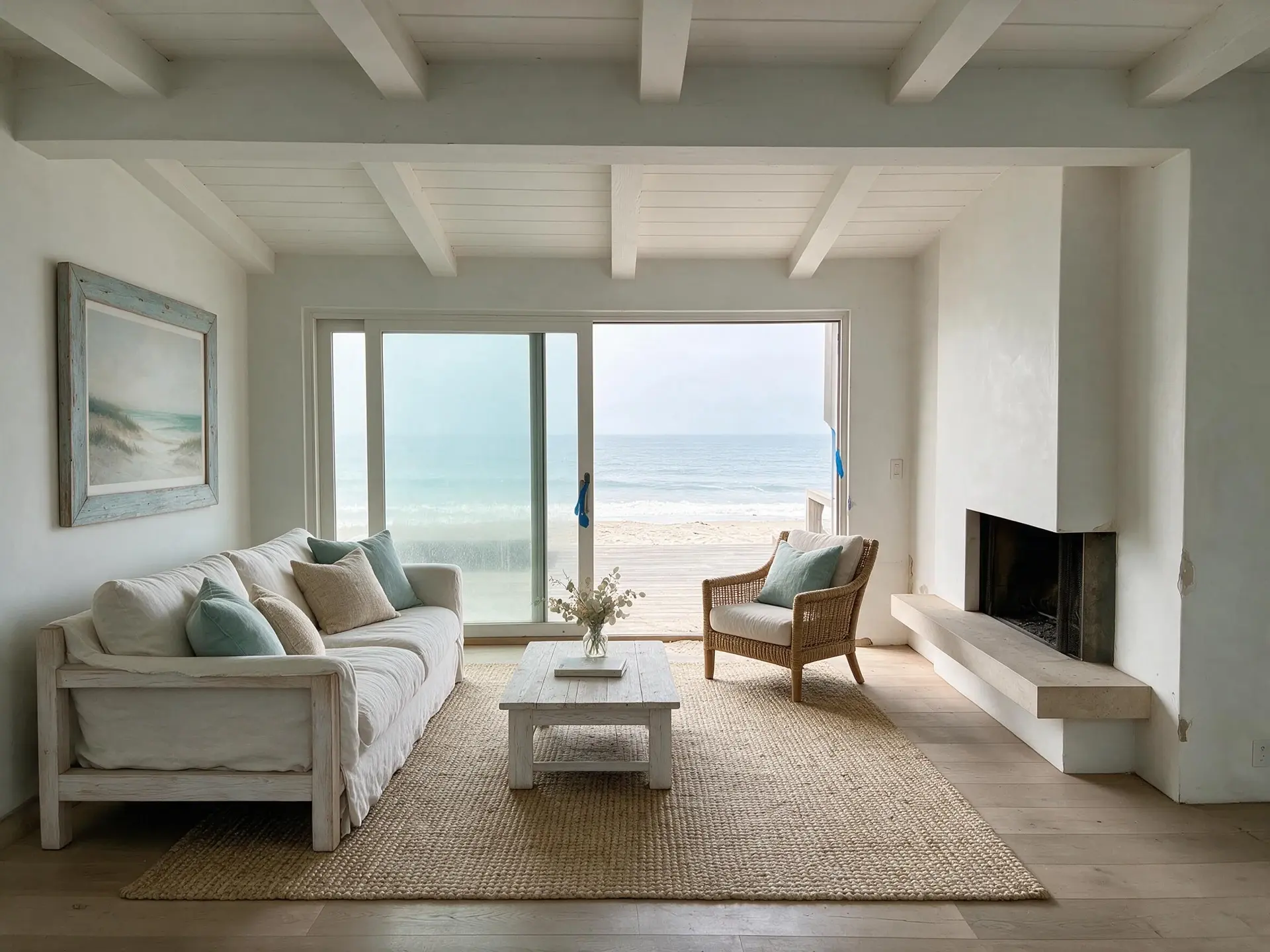
Virtual Staging San Francisco for SFAR MLS and Bay Area Listings
Virtual staging San Francisco is the hardest AI virtual staging problem in America. A Pacific Heights Victorian parlor, a Russian Hill Edwardian flat, an Eichler in Palo Alto, and a SoMa glass loft all ship to the same SFAR MLS feed and the same forensic tech-buyer audience — and as of January 1, 2026, California AB 723 requires every one of those digitally altered images to ship with its unaltered original, placed immediately before or after in the listing. Plotpane renders all four housing stocks correctly at about 2.4K, writes XMP disclosure metadata into every export, and does it at flat subscription cost — not $5, $16, or $32 per image. Virtual staging AI built for the Bay Area: no burned-in watermark on any paid plan, no per-image retoucher fee, no 48-hour vendor queue.
Virtual staging San Francisco built for the city's four housing stocks
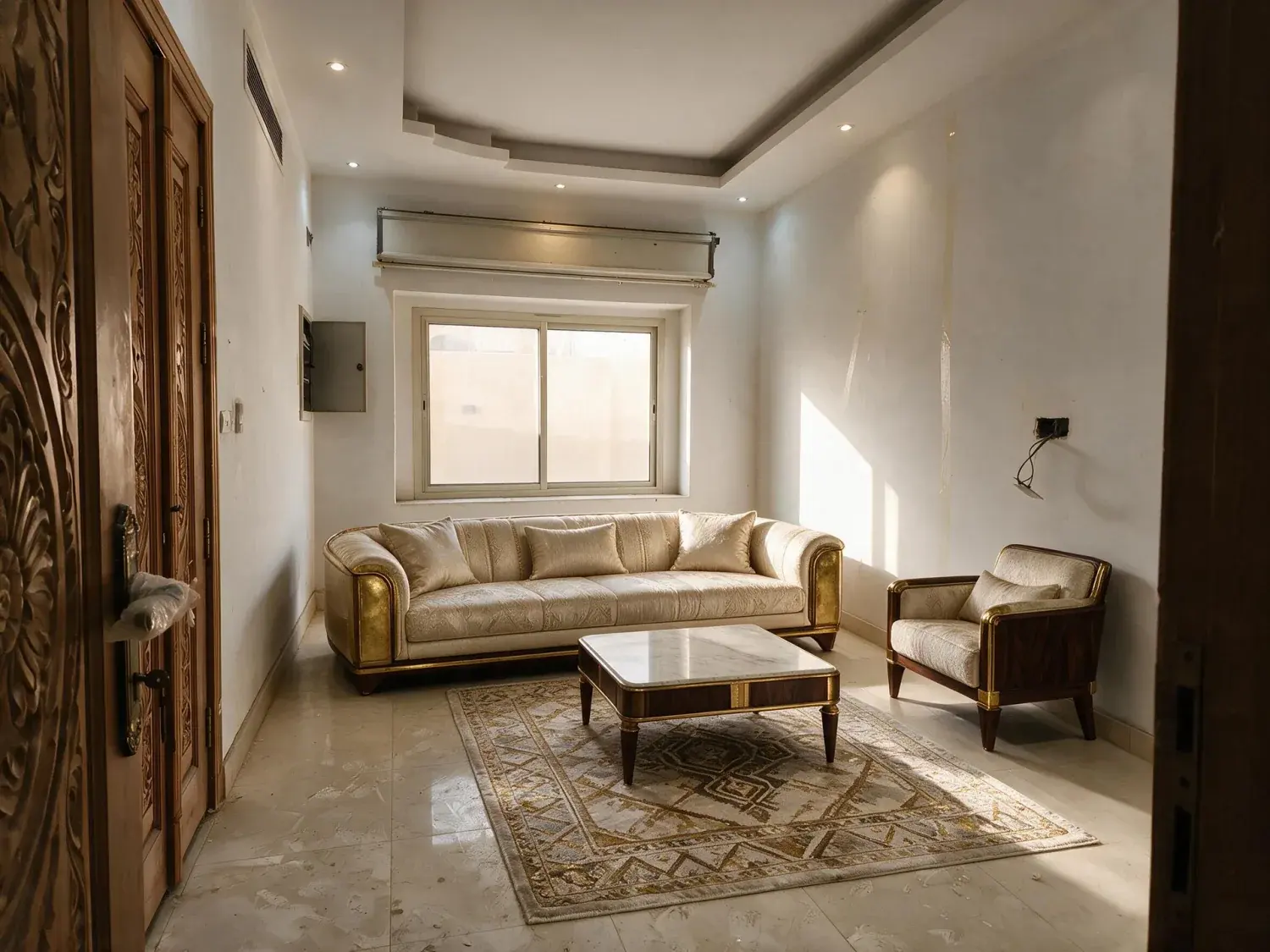
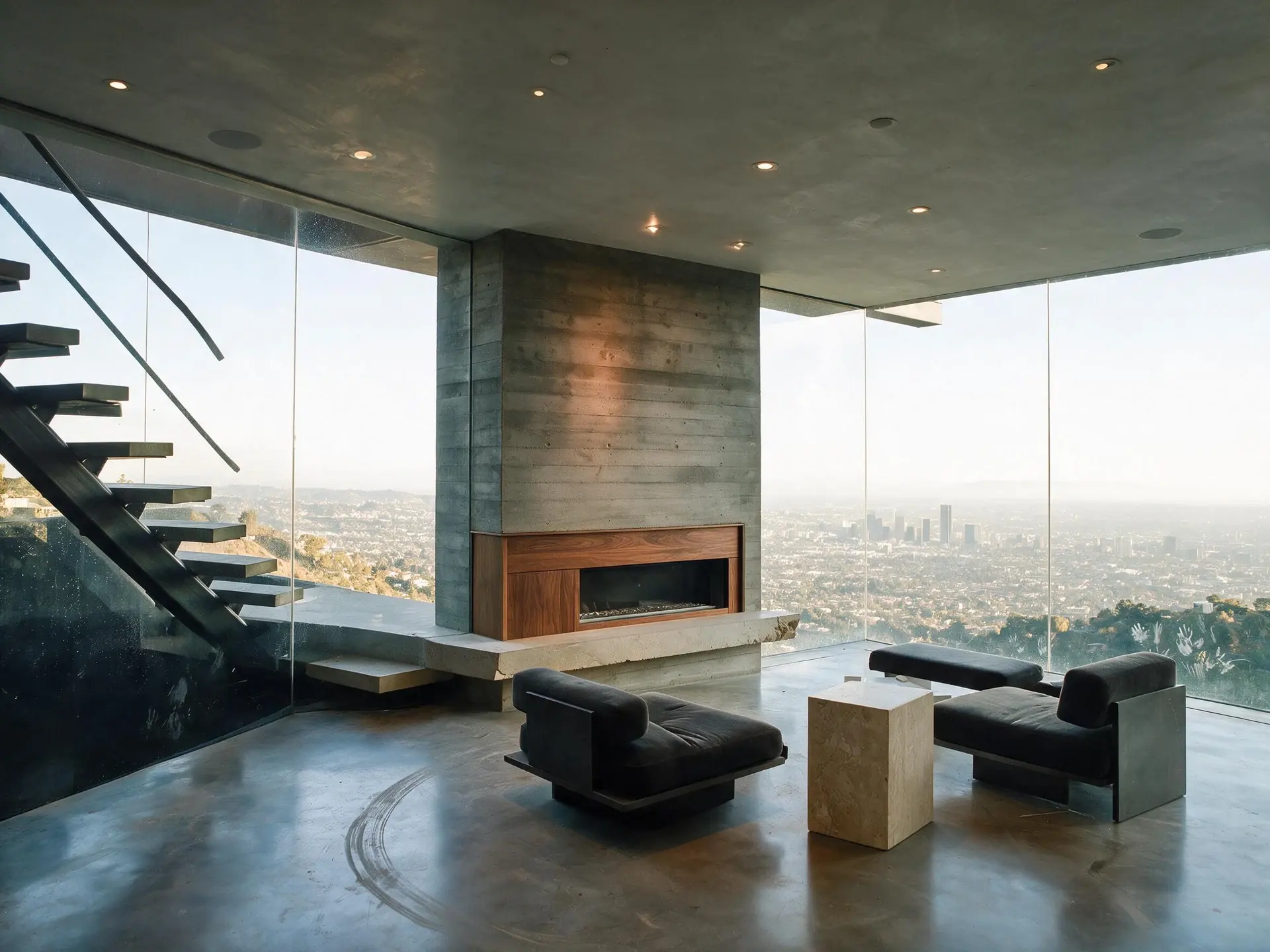
Generic virtual staging AI tools collapse every room into the same beige-sectional-on-grey-rug aesthetic that tanks listing engagement in Pacific Heights, Presidio Heights, Cow Hollow, Russian Hill, Noe Valley, and Bernal Heights. San Francisco's housing stock does not forgive that. A Pacific Heights Victorian parlor with 11-foot ceilings and original crown molding needs layered texture and historic restraint. A Russian Hill Edwardian flat needs softer, warmer neutrals that read against bay windows and original fir floors. A Marina or Cow Hollow Mediterranean wants Heath tile and coastal oak, scaled down from the Pac Heights register. An Eichler in the Sunset — or out in Palo Alto, Menlo Park, or Hillsborough — is the opposite problem entirely: mid-century post-and-beam, floor-to-ceiling glass, atrium courtyards, and the specific Case Study modernism that Silicon Valley tech buyers look for. Plotpane's ten built-in styles cover each: European Classic for Victorian and Edwardian restraint, Mediterranean and Coastal for the Marina, Mid-Century for Eichler stock, Industrial for SoMa and the Mission — exported at about 2.4K on the long edge, the size SFAR MLS photo standards expect.
Victorian/Edwardian parlor floors: furniture scaled for 10-12 ft ceilings, crown molding preserved
Eichler and Joseph Eichler-era mid-century: Case Study palettes, walnut, atrium-aware staging
SoMa, Mission, Potrero Hill, Dogpatch lofts: Chesterfields, black steel, industrial walnut
Marina, Cow Hollow, Noe Valley: coastal-Mediterranean light-oak and Heath-tile accents
AB 723 compliance: unaltered original paired before-or-after, XMP metadata, no burned-in watermark
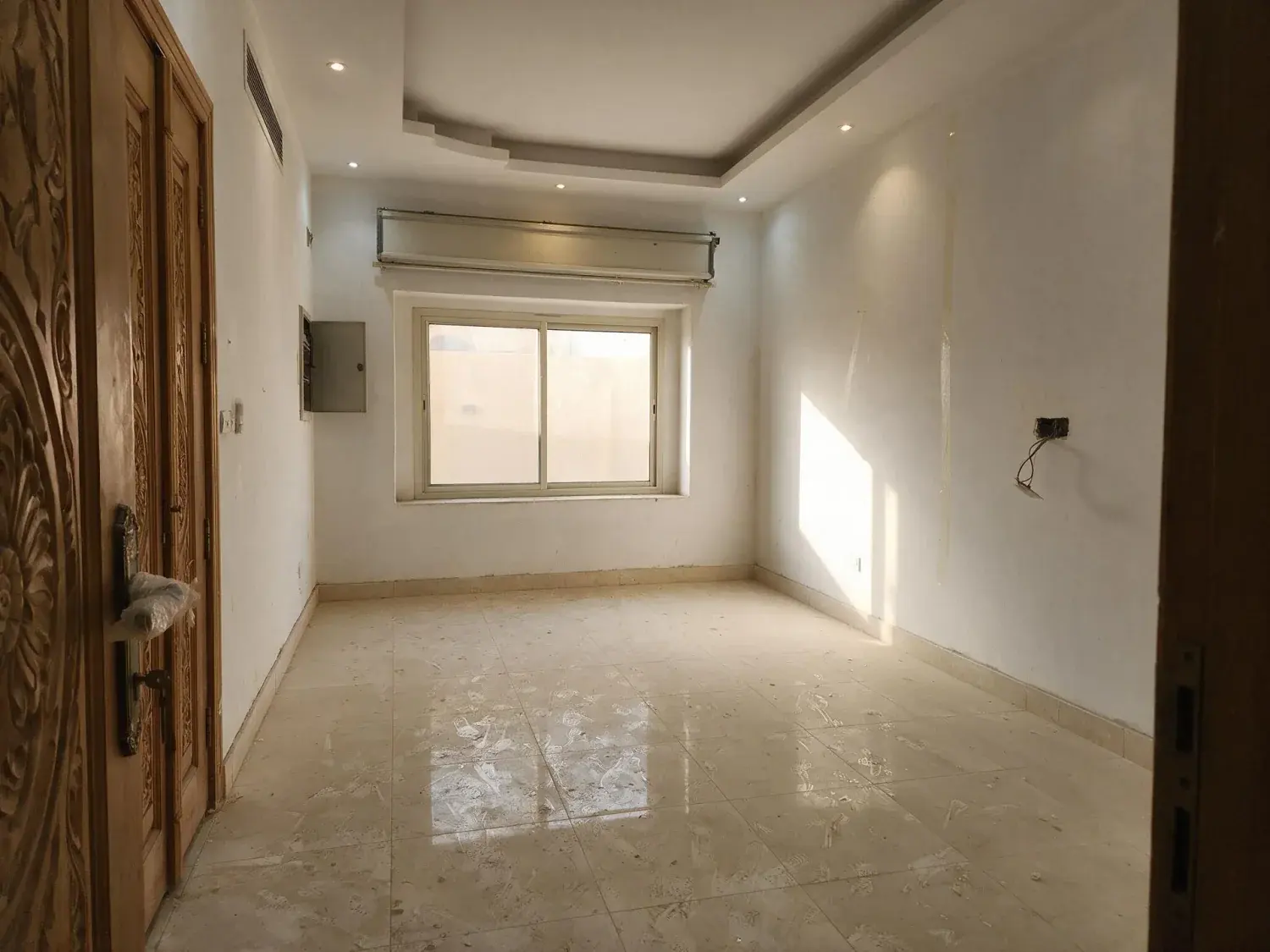
California AB 723 took effect January 1, 2026 and is the strictest digitally-altered-image disclosure rule in the United States. For SFAR MLS, CRMLS, and Bay East MLS, AB 723 does not just require a disclosure line — it requires the unaltered original image to be included in the listing immediately before or immediately after the altered version, and the altered version to be clearly labeled 'digitally altered' or 'virtually staged' in the description field. CRMLS's AB 723 FAQ is explicit: originals are mandatory, not optional. Bay East's Digitally Altered MLS Photo Rule mirrors it. SFAR's Digitally Altered Image guidance syndicates the same rule through to Zillow, Realtor.com, Compass.com, SothebysRealty.com, and Redfin. Generic virtual staging AI shops — Roomstage AI at $5 per image with a burned-in watermark, Virtual Staging AI at $1, Styldod at $16, BoxBrownie at $24-$32 — hand back a render and leave the paperwork to you. Plotpane writes XMP metadata flagging every export as virtually staged, and gives you an optional visible 'Virtually Staged' label you can switch on. You keep the file you uploaded, so posting it immediately before or immediately after the staged shot — exactly what SFAR, CRMLS, and Bay East require — is a matter of uploading two files in order. No burned-in watermark on any paid plan.
Post your untouched original next to the render — that is the 'immediately before or after' rule
XMP metadata flags each file as virtually staged for audit trail
A JPEG at quality 92, about 2.4K, that you download and upload yourself like any other listing photo
An optional visible 'Virtually Staged' label you can switch on before export
CRMLS prohibits AI-generated landscaping outright — leave Lawn & Pool Revive off those listings
03
Virtual staging cost San Francisco: flat subscription vs $1-$32 per image
Physical home staging San Francisco runs $5,000 to $15,000 per month for a 4-bedroom Pacific Heights or Noe Valley listing — labor, warehousing, and SF move-in logistics make it the most expensive staging market in the country. Virtual staging companies underprice physical staging, but still bill per image: Virtual Staging AI at $1 with generic output, Roomstage AI at $5 with a burned-in watermark, REimagineHome from $14/month with caps, Bella Virtual at $16, Styldod at $16-$29, and BoxBrownie virtual staging at $24-$32 per image with 24-48 hour human-editor turnaround. Plotpane replaces per-image pricing with a flat monthly subscription. An 8-room Pacific Heights Victorian, a 12-photo Noe Valley remodel, or a 20-photo Atherton estate all ship at the same monthly line item — the same export size on every plan, XMP disclosure metadata for AB 723, one credit per image whichever tool you use, and roughly two minutes per render instead of two business days. For SF agents at Compass, Vanguard Properties, Golden Gate Sotheby's International Realty, Coldwell Banker Realty, or Pacific Union, that collapses the per-listing virtual staging cost from a $200-$600 outsourced bill into 220 images a month for about the price of four rooms at BoxBrownie.
Flat monthly subscription: 100 images on Starter, 220 on Pro, 600 on Agency
~2 minutes per render vs 24-48 hour outsourced turnaround
XMP disclosure metadata written into every staged export
No burned-in watermark on any paid plan — clean output at about 2.4K on every render
Download the finished listing as a ZIP on Pro and Agency
04
SFAR MLS, CRMLS, and Bay East: the forensic tech-buyer register
San Francisco listings run on a compressed cadence — shoot Friday, live Tuesday, offers due the following Tuesday — and the SFAR MLS (San Francisco Association of REALTORS) plus the broader Bay Area Real Estate Information Services feed syndicate to a uniquely sophisticated tech-buyer audience. Silicon Valley buyers in Palo Alto, Atherton, Woodside, Menlo Park, and Hillsborough scrub listing photos forensically; obvious generic virtual staging renders get flagged on Reddit r/BayAreaRealEstate and r/RealEstatePhotography within hours of a listing going live. SFAR, CRMLS, and Bay East MLS all enforce AB 723 disclosure on digitally altered images, and SFAR in 2025 partnered with Collov AI to give 4,000+ members access to AI virtual staging — signalling how central AI virtual staging is to the SFAR workflow. Agents syndicating to Sotheby's International Realty SF, Compass SF, Golden Gate Sotheby's, Vanguard Properties, Coldwell Banker Realty SF, and Pacific Union International need the disclosure to carry through international portal feeds too — and because those feeds re-encode images and routinely strip metadata, what carries is the paired original and the labelled description field, not the XMP. Plotpane's virtual staging San Francisco pipeline is designed for that forensic audience: Mid-Century for Eichler stock, European Classic for Pac Heights and Presidio Heights, Industrial for SoMa, Mission, and Dogpatch — with the XMP disclosure flag written into every export, so the compliance layer ships at the same speed as the render.
05
Pair virtual staging with day-to-dusk on the hero exterior
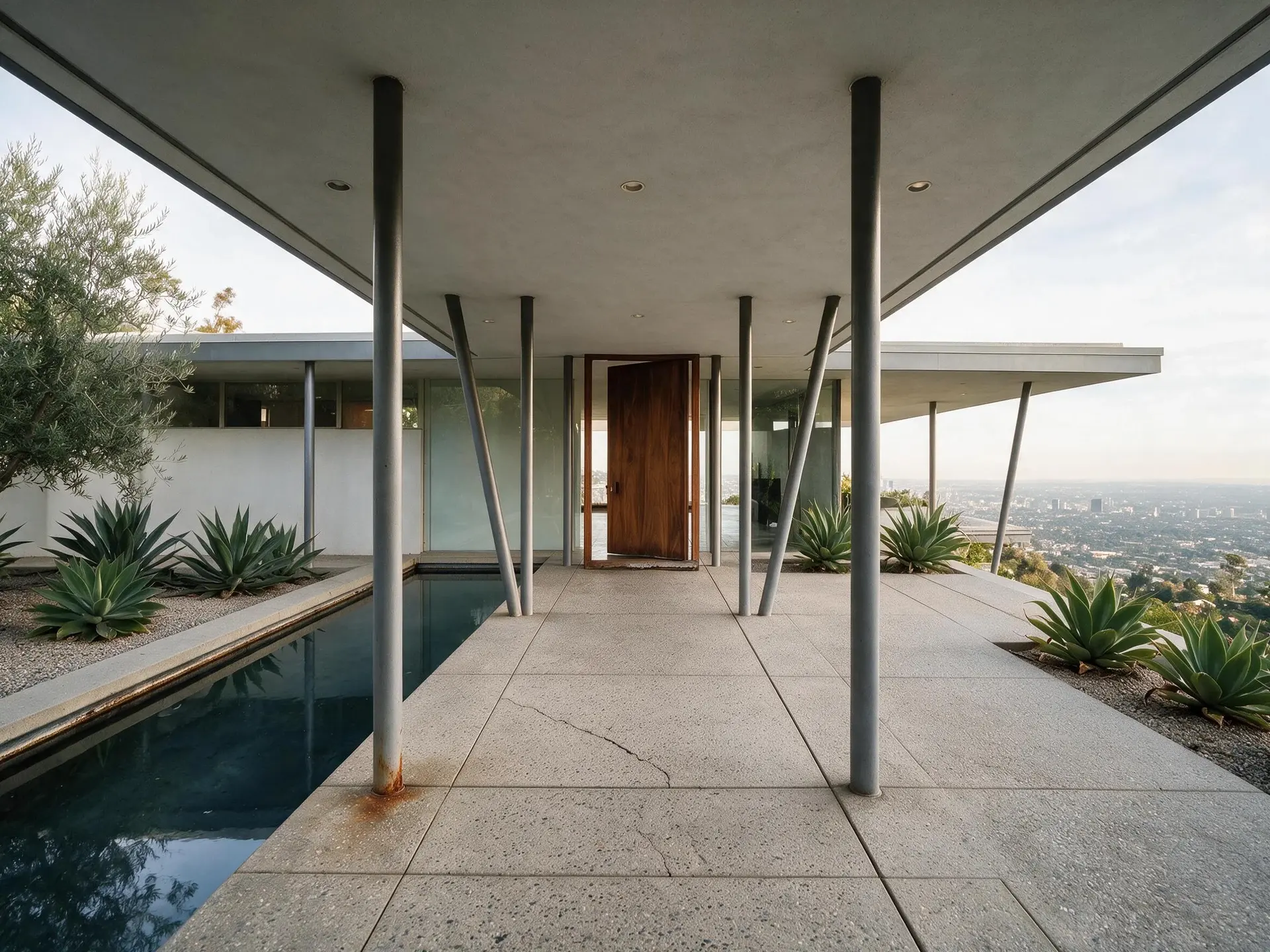
Pacific Heights parlor windows, Russian Hill bay views, and Palo Alto atrium glass are hero shots. Run virtual staging on the empty interior, then run Day to Dusk on the exterior shot for a warm Golden Gate or Bay Bridge twilight. One tool per render, one credit per image, both back at about 2.4K with XMP disclosure written in, ready for SFAR MLS upload the same afternoon the photographer shot the house.
For this region
Local questions, answered
How does Plotpane satisfy AB 723 for a San Francisco listing?+
California AB 723 took effect January 1, 2026 and requires every digitally altered real estate marketing image to ship with its unaltered original — placed immediately before or immediately after the altered version in the listing — and labeled 'digitally altered' or 'virtually staged' in the description field. Plotpane writes XMP metadata flagging every render as virtually staged, and gives you an optional visible 'Virtually Staged' label. You still hold the file you uploaded, so you post the original immediately before or after the staged shot and put the label line in the description. That satisfies SFAR MLS's Digitally Altered Image guidance, CRMLS's AB 723 FAQ, and Bay East's Digitally Altered MLS Photo Rule — with no burned-in watermark on any paid plan.
How much does virtual staging cost in San Francisco vs Roomstage AI, BoxBrownie, Styldod, and Virtual Staging AI?+
Physical home staging San Francisco runs $5,000-$15,000 per month. Virtual staging companies bill per image: Virtual Staging AI at $1 with generic output, Roomstage AI at $5 with a burned-in watermark, Bella Virtual at $16, Styldod at $16-$29, and BoxBrownie virtual staging at $24-$32 per image with 24-48 hour turnaround. Plotpane is a flat monthly subscription — 100 images on Starter, 220 on Pro, 600 on Agency, one credit per image whichever tool you use, no burned-in watermark on any paid plan, XMP disclosure in every export. For an 8-room Pacific Heights Victorian or a 12-photo Noe Valley listing, that collapses a $200-$600 outsourced bill into a single monthly line item.
Can it handle Pacific Heights Victorians, Russian Hill Edwardians, and Eichlers in Palo Alto?+
Yes — these are the four SF Bay Area housing stocks the Plotpane virtual staging pipeline is specifically tuned for. The European Classic style preserves original crown molding, ceiling medallions, and picture rails instead of overpainting them, and scales furniture for 10-12 ft parlor-floor ceilings. Mid-Century gives you Case Study-era walnut and post-and-beam for Palo Alto, Menlo Park, and Atherton inventory. SoMa, Mission, Potrero Hill, and Dogpatch lofts take Industrial. Marina, Cow Hollow, and Noe Valley take Coastal or Mediterranean, with their light-oak cues. Hillsborough and Woodside take Modern restraint.
Does this work for SFAR MLS, CRMLS, and Bay East MLS listings?+
Yes. Plotpane's virtual staging San Francisco output is a JPEG at quality 92, about 2.4K on the long edge, of the kind SFAR MLS, CRMLS, and Bay East MLS photo rules expect, with XMP metadata written to each file. There is no MLS or brokerage integration to set up — you download the JPEG and upload it yourself at Compass, Vanguard Properties, Golden Gate Sotheby's International Realty, Coldwell Banker Realty SF, Sotheby's International Realty SF, or Pacific Union International (Compass affiliate). Those systems re-encode on upload and routinely strip metadata, so the XMP is the record in your own archive; on the listing the disclosure rests on the paired original and the labelled description field. CRMLS prohibits AI-generated landscaping outright, so leave Lawn & Pool Revive off those listings.
Is Plotpane faster than BoxBrownie or Styldod for an SF listing cadence?+
SF listings shoot Friday, go live Tuesday. BoxBrownie and Styldod quote 24-48 hour human-editor turnaround per room, which burns the weekend and forces a Monday scramble. Plotpane renders each staged image at about 2.4K in roughly two minutes — an 8-room Pacific Heights townhouse is done inside half an hour, same afternoon as the shoot, with XMP disclosure written into every file. That is the only tempo that matches the SFAR listing cadence without blocking on an offshore retoucher queue.
Does Plotpane burn a watermark into the staged photo?+
No. Plotpane never burns a visible watermark into the staged output on any paid plan — only the three free trial renders carry a Plotpane mark. AB 723 is satisfied by posting your unaltered original alongside the render, plus XMP metadata and the 'virtually staged' label in the MLS description — not by disfiguring the image. This is the specific reason agents switch off Roomstage AI, which ships a visible watermark at its $5/image tier.
Does this cover Silicon Valley suburbs — Palo Alto, Atherton, Woodside, Menlo Park, Hillsborough?+
Yes. The same pipeline handles San Mateo County and Santa Clara County inventory through Bay East MLS and MLSListings. The Mid-Century and Modern styles suit Palo Alto, Menlo Park, Atherton, Woodside, and Hillsborough — the tech-buyer register that expects forensic photo quality. The same AB 723 routine of posting the original beside the render applies identically, and the XMP tag is written into each file you download — Bay East and MLSListings re-encode on upload, so keep the export as your own record.
Pricing
One credit per image. Every tool, every plan.
Three plans. Every tool unlocked on all of them. Every render unmarked, standard or high resolution, cancel anytime.
Every plan starts with 3 free renders. No card until you subscribe.
Starter
For the solo agent shooting their own listings.
$39/month
billed yearly
100 credits monthly
100 images per month — 1 credit each, whichever tool you use
No Plotpane mark on any render
Every tool, no tier gating
Standard output ~2.4K, or ~4.7K for a second credit
XMP disclosure metadata written into every export
Download a finished listing as a ZIP
Free vertical listing reel from your finished photos
Cinematic clips from a single photo — 1 credit per second of video
That is the whole pricing model. No per-tool rates, no seat maths, nothing to negotiate. We are not SOC 2 certified and there is no SSO, private deployment or API — if you need those to buy, better you know now than after a call.
Starter
4
listings a month
Pro
8
listings a month
Agency
24
listings a month
Questions
The usual questions, answered directly.
No. Midjourney and DALL-E invent scenes from text prompts — beautiful for art, disqualifying for a listing. Plotpane is a structure-preserving pipeline: your room geometry, windows, and floor plan stay exact. We stage, re-light, swap skies, declutter, and enhance your actual photo. No hallucinated architecture, no invented rooms.
BoxBrownie and Styldod are human-edit services: you upload, a retoucher works overnight, you get a result in 24–48 hours at $2–$32 per image per treatment. They also sell things we do not have at all — floor plans, renderings, item removal by a person who can ask you what you meant. Plotpane is one machine pass: you pick one of seven tools, and the image comes back in about two minutes for one credit, whichever tool you picked, on a flat monthly subscription. Stacking two treatments on one photo means running it twice.
Yes, when disclosed. NAR guidelines, California AB 723, and REBNY Rule 3.3 all allow virtually staged photos provided the listing discloses them. Every Plotpane export embeds invisible XMP disclosure metadata so the staging record travels with the file. You still handle the listing-remarks disclosure in your MLS portal — that's the part only you can do.
Every render is sent with a preserve list as well as an instruction. It names one operation and forbids the rest: do not touch windows, doors, walls, ceilings, floors, cabinetry or fixtures unless the instruction names them; do not remove or conceal a defect, stain or crack; do not change what is visible through glass, and never invent a view. Furniture is added to empty rooms; named objects are removed from furnished ones; sky and light are re-graded. If you do see something invented, that is a bug — report the render in the app and the credit comes back.
Yes — one click in the Stripe billing portal from your dashboard. Billing stops immediately, remaining credits stay usable through the end of the billing period, and there's no cancellation fee.
Yes — any AI-generated or AI-modified image is considered an edit requiring disclosure under NAR's standards. That's why every Plotpane export writes invisible XMP disclosure metadata by default. The flag is machine-readable by MLS tooling and survives Lightroom round-trips. You still add the disclosure line to your listing remarks; we make sure the image itself is self-describing.
The toolkit
Seven tools. One credit each.
Every one is a single structure-preserving pass: it changes what you asked for and leaves the building alone.