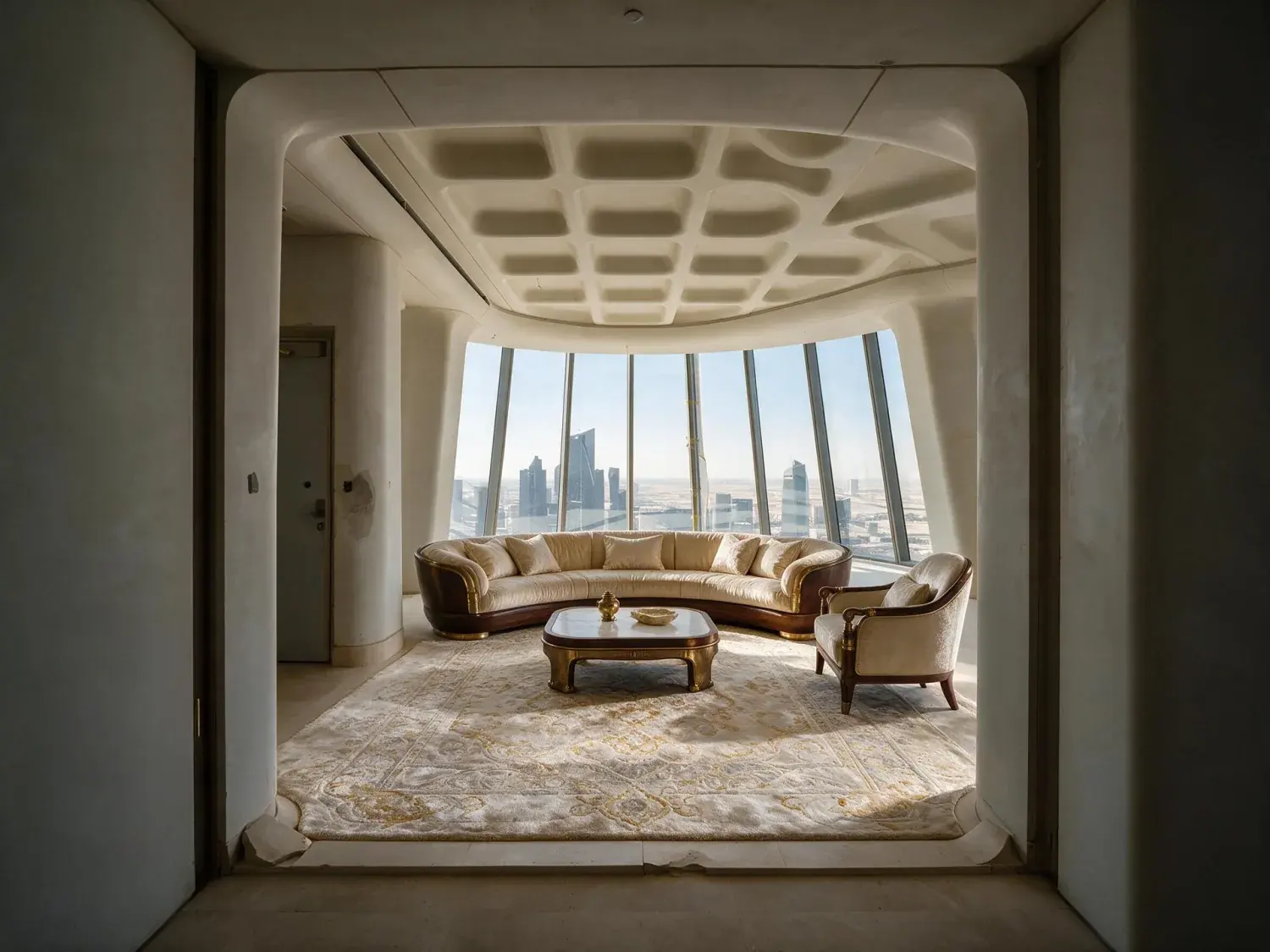
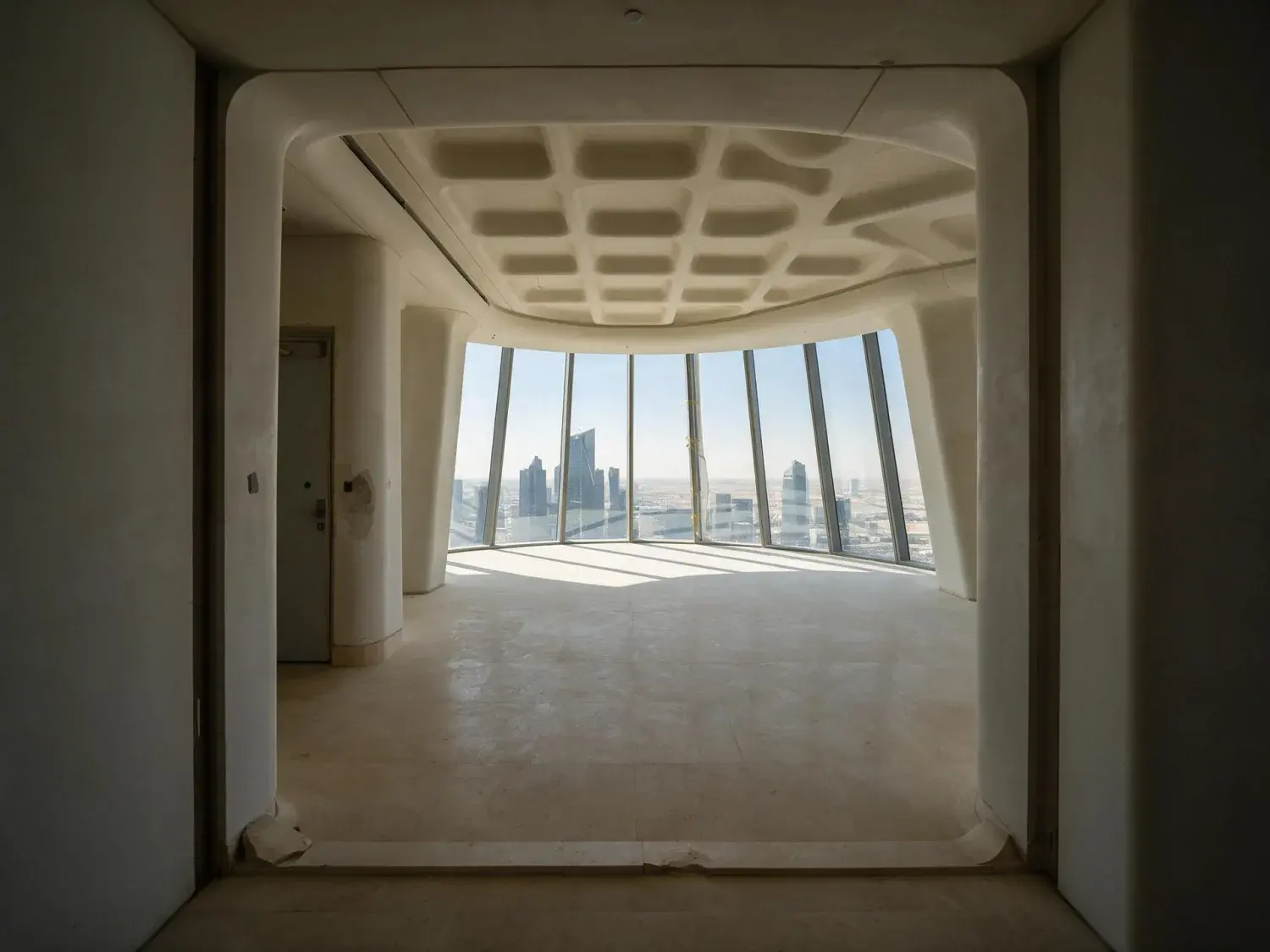
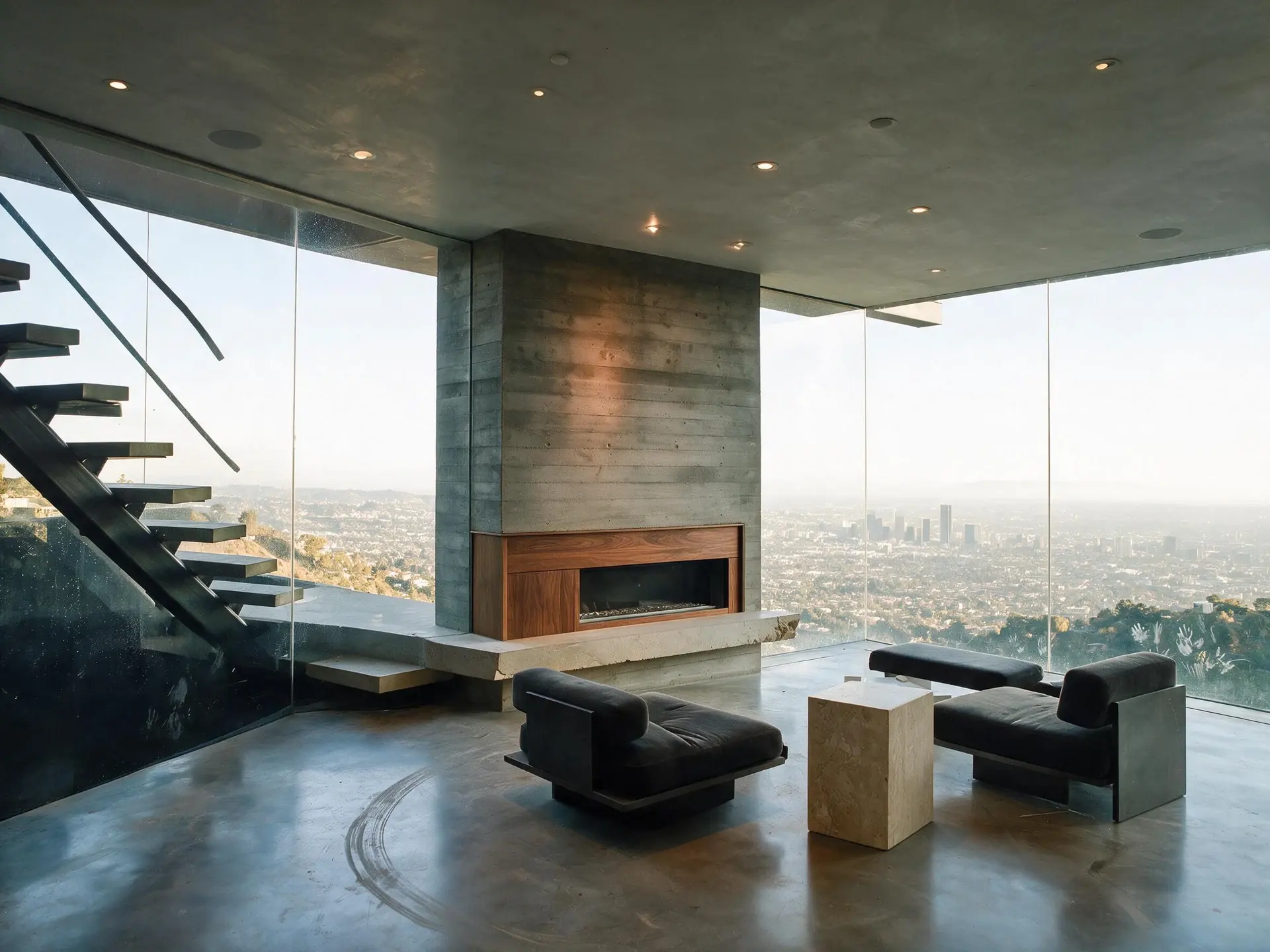
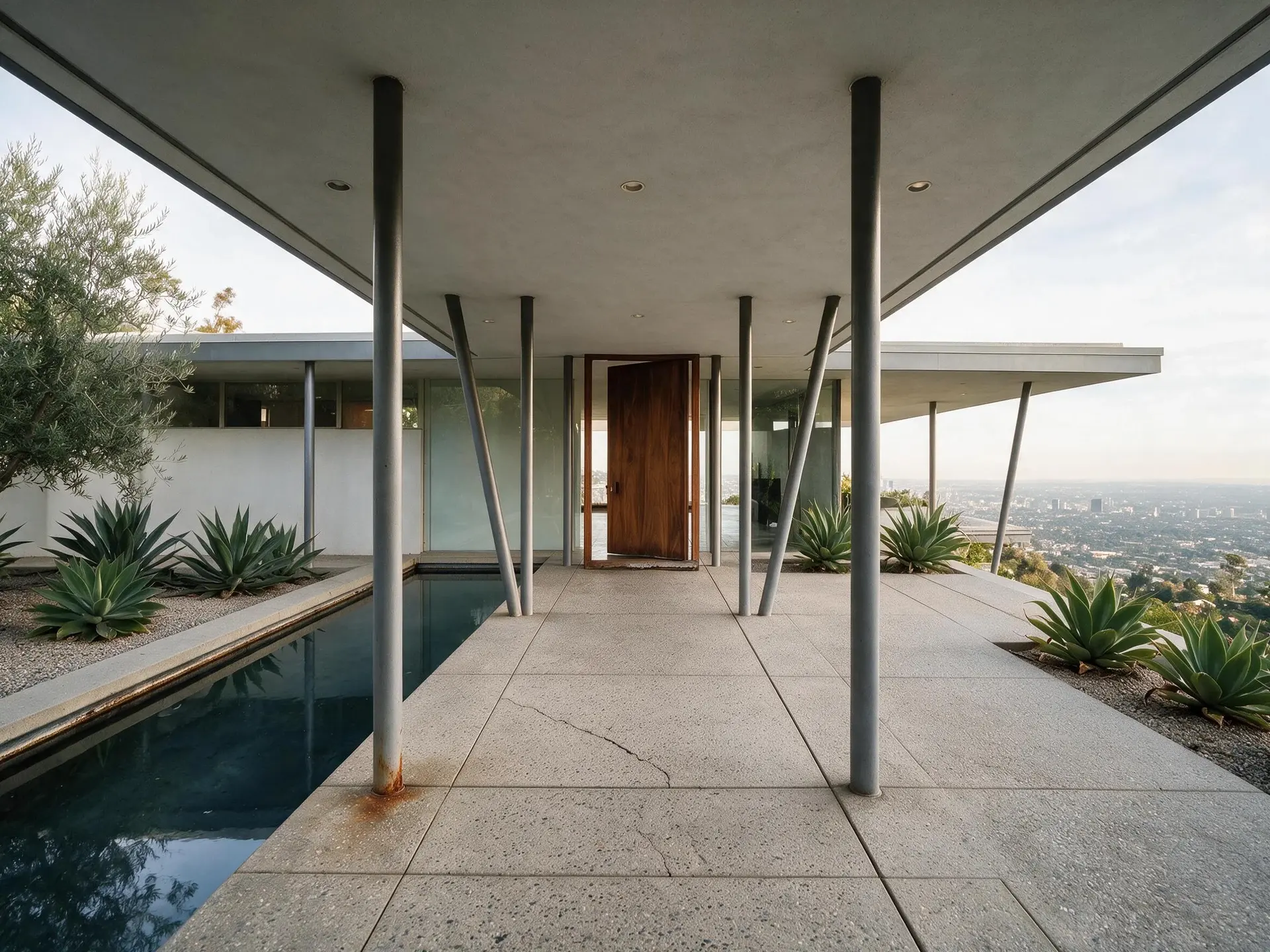
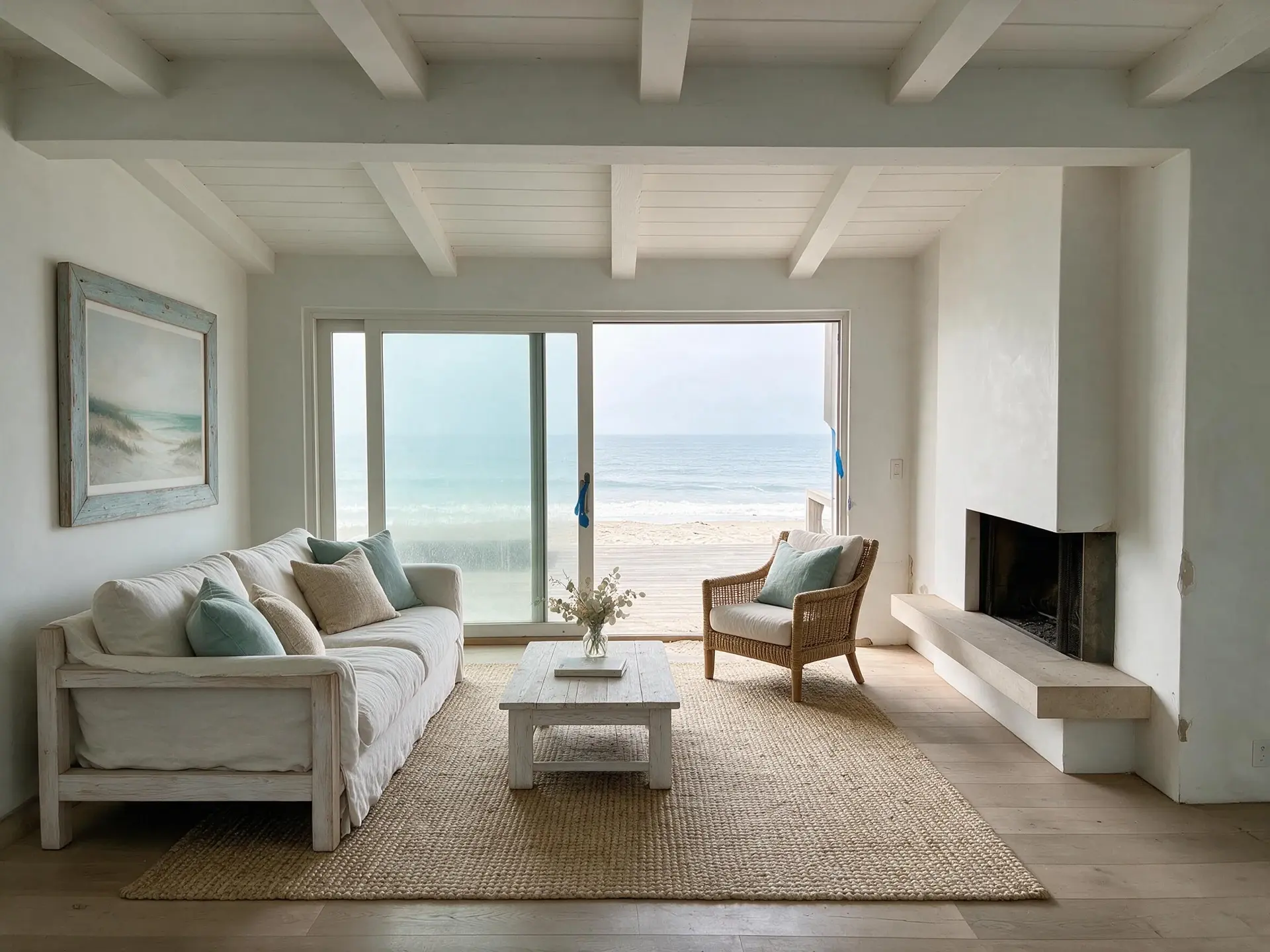
Virtual Staging for Jeddah Red Sea Villas and Corniche Apartments
Virtual staging Jeddah is the fastest way to turn empty Red Sea villas and Corniche apartments into listing-ready hero shots without waiting two weeks for an imported interiors crew. Jeddah photographs differently from Riyadh: softer Red Sea coastal light, higher humidity haze, coral-stone roshan facades in the Al-Balad UNESCO quarter, and the compound-villa rows along Obhur creek where the water almost touches the garden walls. Empty off-plan handovers in North Obhur, Al Shati and Al Rawdah, and Hejazi-revival villas in Al Hamra and Al Zahra, are the Kingdom's second-largest pipeline of ready-to-move inventory. Plotpane stages these interiors in about two minutes for one credit and ships clean exports at about 2.4K for Wasalt, Aqar.fm and Bayut Saudi — in the coastal register that Saudi Arabia Sotheby's International Realty, Compass Saudi, Al Akaria and the Jeddah Central Development Company publish in under REGA and ZATCA.
Built for virtual staging Jeddah — not a generic AI filter
Virtual staging Jeddah demands local architectural grammar, not an off-the-shelf preset. The city's vocabulary is distinct within the Kingdom and unlike anything Riyadh photographers work with: coral-stone roshan (carved wooden mashrabiya bay windows) on the Ottoman-era merchant houses of Al-Balad — a UNESCO World Heritage Site since 2014 — beachfront compounds with private creek access in Obhur North (Obhur Al Shamaliyah) and Obhur South (Obhur Al Janoubiyah), corniche-front towers along Al Shati and Al Hamra with Red Sea horizon views, inland family compounds in Al Rawdah, Al Zahra and Al Naeem with enclosed majlis wings, and the Vision 2030 Jeddah Central masterplan rising on the airport corridor with King Abdullah Economic City (KAEC) anchoring the northern growth axis. Red Sea light reads softer, warmer and more humid than Riyadh's desert sun. Plotpane stages the majlis, formal dining and family living at scale while holding creek view, sky gradient and coral-stone detail at pixel level.
North Obhur, South Obhur: Red Sea villa compounds with private creek access and beachfront glazing
Al Shati, Al Hamra, Corniche: waterfront towers and apartments with horizon views
Al Rawdah, Al Zahra, Al Naeem: inland family compounds with enclosed majlis wings
Al-Balad (UNESCO): coral-stone roshan heritage houses for restored-listing inventory
KAEC-adjacent: King Abdullah Economic City off-plan villas and branded residences
Jeddah's Hejazi vernacular is the core risk for generic virtual staging tools: they flatten mashrabiya lattice into blur, resample coral-stone texture into a plastic surface, and lose the shadow depth of roshan bay-window projections. Plotpane's structure-preserving pipeline is explicitly non-generative on architecture. Coral-stone facades, mashrabiya window screens, roshan projections, Al-Balad's carved wooden panels, modern-palazzo travertine, Italian-cabinetry kitchens, compound-villa courtyards and the Red Sea horizon line all stay pixel-identical. Only furnishing is added. No human figures are inserted into any staged frame — the register is architectural and furnishing-only, tuned to the conservative, family-centered presentation Jeddah buyers expect. Majlis layouts default to formal gender-separated seating where the floor plan indicates, family dining is scaled to large Saudi households, and decor is drawn exclusively from within the regional cultural norm.
Coral-stone facades and Al-Balad heritage walls locked at pixel level
Mashrabiya screens and roshan bay projections preserved without resampling
No human figures, no alcohol, no decor outside the Hejazi cultural register
Gulf Modern, one of ten built-in styles: majlis seating and family dining at Saudi household scale
03
REGA, ZATCA and Vision 2030 — disclosure baked into every export
Saudi real estate advertising under the Real Estate General Authority (REGA), ZATCA e-invoicing for brokerage commissions and the Ministry of Commerce (MoCI) consumer-protection framework requires faithful representation of the property, and the Al-Balad UNESCO designation adds heritage-preservation expectations on older coral-stone inventory. Plotpane ships every virtual staging Jeddah export as a clean sRGB JPEG at quality 92 and about 2.4K, with no burned watermark on any paid plan and XMP disclosure metadata written into the file itself, plus an optional visible 'Virtually Staged' label if you want the disclosure on the image. The recommended listing line — 'Images virtually staged; architecture and structural features preserved' — satisfies REGA faithful-representation expectations and MoCI rules for both ready-to-move and off-plan inventory under the Wafi program. The same file goes without retreatment into a Sotheby's listing, a Compass Saudi deck, an Al Akaria sales office or a NEOM Red Sea, JCDC or KAEC campaign — you upload it yourself, because Plotpane connects to nothing.
sRGB JPEG at quality 92 and about 2.4K, no burned watermark on a paid plan, XMP disclosure in every file
ZATCA-compatible brokerage workflow: one monthly subscription line, not a per-image invoice
MoCI consumer-protection phrasing supplied for the listing description
Wafi off-plan program: same file carries into developer sales and portal listings
04
Workflow: Wasalt, Aqar.fm, Bayut Saudi and Jeddah brokerage pipelines
The export lands at about 2.4K, comfortably above the gallery minimums Wasalt, Aqar.fm and Bayut Saudi (bayut.sa) each enforce on their listing-quality checks. The brokerages this inventory ends up listed with — Saudi Arabia Sotheby's International Realty, Compass Saudi, Al Akaria (Saudi Real Estate Co.), Knight Frank KSA, Savills KSA, Allsopp & Allsopp Western Region, Century 21 Saudi Arabia, Dar Al Arkan Jeddah and the Jeddah Central Development Company (JCDC) — all publish to those same specs. A listing agent covering twenty Obhur and Al Hamra units a week can finish the full portal pack before morning viewings instead of holding a launch for an interiors studio turnaround. Flat subscription, the same ~2.4K output on every plan, one credit an image — 100 on Starter, 220 on Pro, 600 on Agency, reset each period rather than carried over — cancel anytime, with no rush fees and no revision tickets because there is nobody to raise one with. AI virtual staging at Jeddah volume, tuned to Hejazi architecture and REGA-clean from the first export.
About 2.4K on the long edge, clear of the Wasalt, Aqar.fm and Bayut Saudi (bayut.sa) gallery minimums
Output register matched to the brand standards Sotheby's, Compass Saudi, Al Akaria, Knight Frank and Savills publish to
About two minutes a frame — twenty Obhur units finished well before the first viewing
Flat subscription, one credit an image, cancel anytime — a monthly line, not a per-image invoice
For this region
Local questions, answered
Does Plotpane comply with REGA faithful-representation rules for virtually staged Jeddah listings?+
Yes. The staging is furnishing-only and architecture-preserving — coral-stone facades, mashrabiya screens, roshan projections, travertine floors, majlis paneling and the Red Sea horizon all stay pixel-identical. No human figures are inserted. XMP disclosure metadata is written into every export, and the recommended listing-description line satisfies REGA faithful-representation expectations, ZATCA brokerage invoicing and MoCI consumer-protection rules. The file meets the brand standards Saudi Arabia Sotheby's International Realty, Compass Saudi and Al Akaria publish to.
Can it stage a North Obhur beachfront villa in a culturally appropriate register?+
Yes. Gulf Modern, one of the ten built-in styles, covers formal majlis seating with gender-separated layouts where the floor plan indicates, large family dining configurations scaled to Saudi households, and living arrangements that respect Jeddah's conservative register. No human figures, no alcohol, no decor outside the Hejazi cultural norm. The Red Sea view through floor-to-ceiling glazing, Obhur creek water, coral-stone walls and compound courtyards stay pixel-identical.
Does it handle Jeddah's softer Red Sea light and salt haze correctly?+
Yes. Jeddah's coastal light — warmer and more humid than Riyadh's desert sun, with salt haze on long Red Sea horizons — is preserved as an authentic atmospheric condition rather than corrected out. The staging adapts its lighting and shadow register to match the ambient light, so furniture looks placed in the actual room rather than lit from a different source. The sunset gradient over Obhur and the Corniche reads naturally on the ~2.4K export.
Does it preserve Hejazi architecture — mashrabiya, roshan and coral stone?+
Yes. The structure-preserving pipeline is non-generative on architectural elements. Mashrabiya window screens keep their lattice geometry without resampling, roshan bay-window projections hold their shadow depth, coral-stone facades in Al-Balad and Hejazi-revival villas in Al Hamra and Al Zahra keep their texture at pixel level. Only furniture is added. This is the same constraint Al-Balad's UNESCO designation implies for heritage-district listings.
Is it appropriate for Vision 2030, NEOM Red Sea Project and KAEC developer marketing?+
Yes. Gulf Modern and Luxury sit closest to the formal register the Jeddah Central Development Company, King Abdullah Economic City (KAEC) developers and the NEOM Red Sea Project marketing teams use for off-plan campaigns under the Wafi program. No human figures are inserted; staging is architectural and furnishing-only, with majlis-compatible living arrangements and formal dining configurations. Exports carry without retreatment from a Wasalt or Aqar listing to a Sotheby's listing or a JamesEdition roadshow deck — about 2.4K as standard, roughly 4.7K for a second credit where the deck goes to print.
Which Jeddah portals and brokerages does the export drop into without retreatment?+
Wasalt, Aqar.fm and Bayut Saudi (bayut.sa) accept the export on first upload at listing-gallery quality. The same file carries brand-standard clean into Saudi Arabia Sotheby's International Realty, Compass Saudi, Al Akaria, Knight Frank KSA, Savills KSA, Allsopp & Allsopp Western Region, Century 21 Saudi Arabia, Dar Al Arkan Jeddah and JCDC developer sales offices. No resizing, no re-exporting, no color-managed retreatment between portal upload and brokerage deck. There is no portal integration behind any of this — you download the JPEG and upload it yourself, the same as a frame off the camera.
Pricing
One credit per image. Every tool, every plan.
Three plans. Every tool unlocked on all of them. Every render unmarked, standard or high resolution, cancel anytime.
Every plan starts with 3 free renders. No card until you subscribe.
Starter
For the solo agent shooting their own listings.
$39/month
billed yearly
100 credits monthly
100 images per month — 1 credit each, whichever tool you use
No Plotpane mark on any render
Every tool, no tier gating
Standard output ~2.4K, or ~4.7K for a second credit
XMP disclosure metadata written into every export
Download a finished listing as a ZIP
Free vertical listing reel from your finished photos
Cinematic clips from a single photo — 1 credit per second of video
That is the whole pricing model. No per-tool rates, no seat maths, nothing to negotiate. We are not SOC 2 certified and there is no SSO, private deployment or API — if you need those to buy, better you know now than after a call.
Starter
4
listings a month
Pro
8
listings a month
Agency
24
listings a month
Questions
The usual questions, answered directly.
No. Midjourney and DALL-E invent scenes from text prompts — beautiful for art, disqualifying for a listing. Plotpane is a structure-preserving pipeline: your room geometry, windows, and floor plan stay exact. We stage, re-light, swap skies, declutter, and enhance your actual photo. No hallucinated architecture, no invented rooms.
BoxBrownie and Styldod are human-edit services: you upload, a retoucher works overnight, you get a result in 24–48 hours at $2–$32 per image per treatment. They also sell things we do not have at all — floor plans, renderings, item removal by a person who can ask you what you meant. Plotpane is one machine pass: you pick one of seven tools, and the image comes back in about two minutes for one credit, whichever tool you picked, on a flat monthly subscription. Stacking two treatments on one photo means running it twice.
Yes, when disclosed. NAR guidelines, California AB 723, and REBNY Rule 3.3 all allow virtually staged photos provided the listing discloses them. Every Plotpane export embeds invisible XMP disclosure metadata so the staging record travels with the file. You still handle the listing-remarks disclosure in your MLS portal — that's the part only you can do.
Every render is sent with a preserve list as well as an instruction. It names one operation and forbids the rest: do not touch windows, doors, walls, ceilings, floors, cabinetry or fixtures unless the instruction names them; do not remove or conceal a defect, stain or crack; do not change what is visible through glass, and never invent a view. Furniture is added to empty rooms; named objects are removed from furnished ones; sky and light are re-graded. If you do see something invented, that is a bug — report the render in the app and the credit comes back.
Yes — one click in the Stripe billing portal from your dashboard. Billing stops immediately, remaining credits stay usable through the end of the billing period, and there's no cancellation fee.
Yes — any AI-generated or AI-modified image is considered an edit requiring disclosure under NAR's standards. That's why every Plotpane export writes invisible XMP disclosure metadata by default. The flag is machine-readable by MLS tooling and survives Lightroom round-trips. You still add the disclosure line to your listing remarks; we make sure the image itself is self-describing.
The toolkit
Seven tools. One credit each.
Every one is a single structure-preserving pass: it changes what you asked for and leaves the building alone.