Plotpane · Boston, MA
Boston, MA

Boston Real Estate Photographer for Beacon Hill, Back Bay and South End historic listings

Boston Real Estate Photographer turns a flat listing into marketing-grade exports at about 2.4K without erasing the provenance Boston buyers actually pay for. Greater Boston's historic inventory runs unusually deep — Beacon Hill's Federal and Greek Revival brick rowhouses on Chestnut, Mount Vernon and Louisburg Square, Back Bay's French Academic Victorian brownstones on Commonwealth and Marlborough, the South End's cast-iron bay-window rowhouses on Union Park and Rutland Square, Cambridge's Federal-era clapboards under Cambridge Historical Commission review, and Brookline + Newton Victorian and Queen Anne stock. Aggressive AI editors over-warm Boston brick, 'straighten' the wavy crown glass, and flatten the century of patina that MLS PIN comparable-sales data shows these buyers pay a premium for. Plotpane enhances without modernizing — every irregular cylinder-glass pane, every oxidized copper downspout, every Roxbury puddingstone foundation course held pixel-identical.

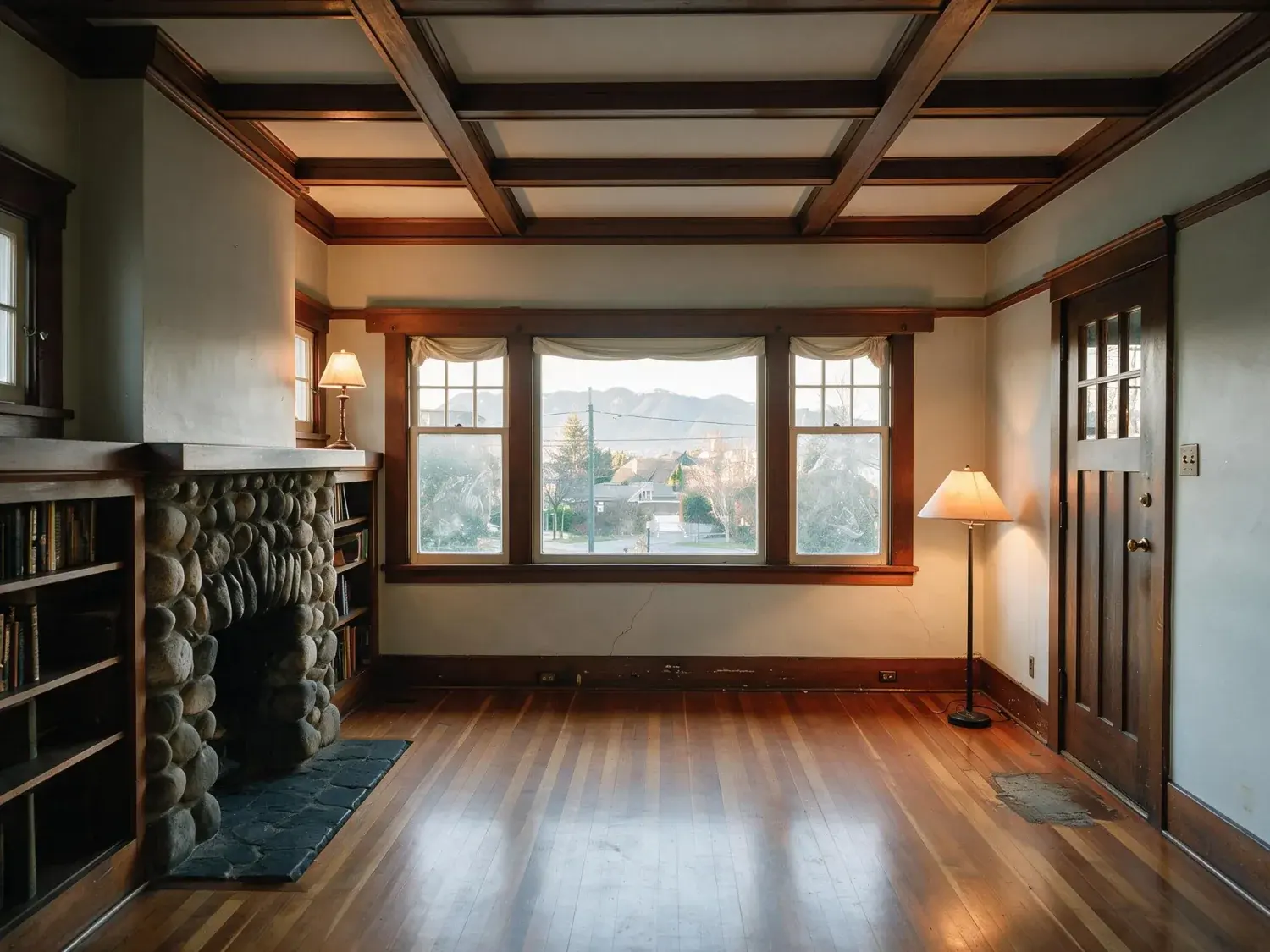
Before and after of a Kitsilano Craftsman room, flat and dim with the window burnt to white. — enhanced by Plotpane
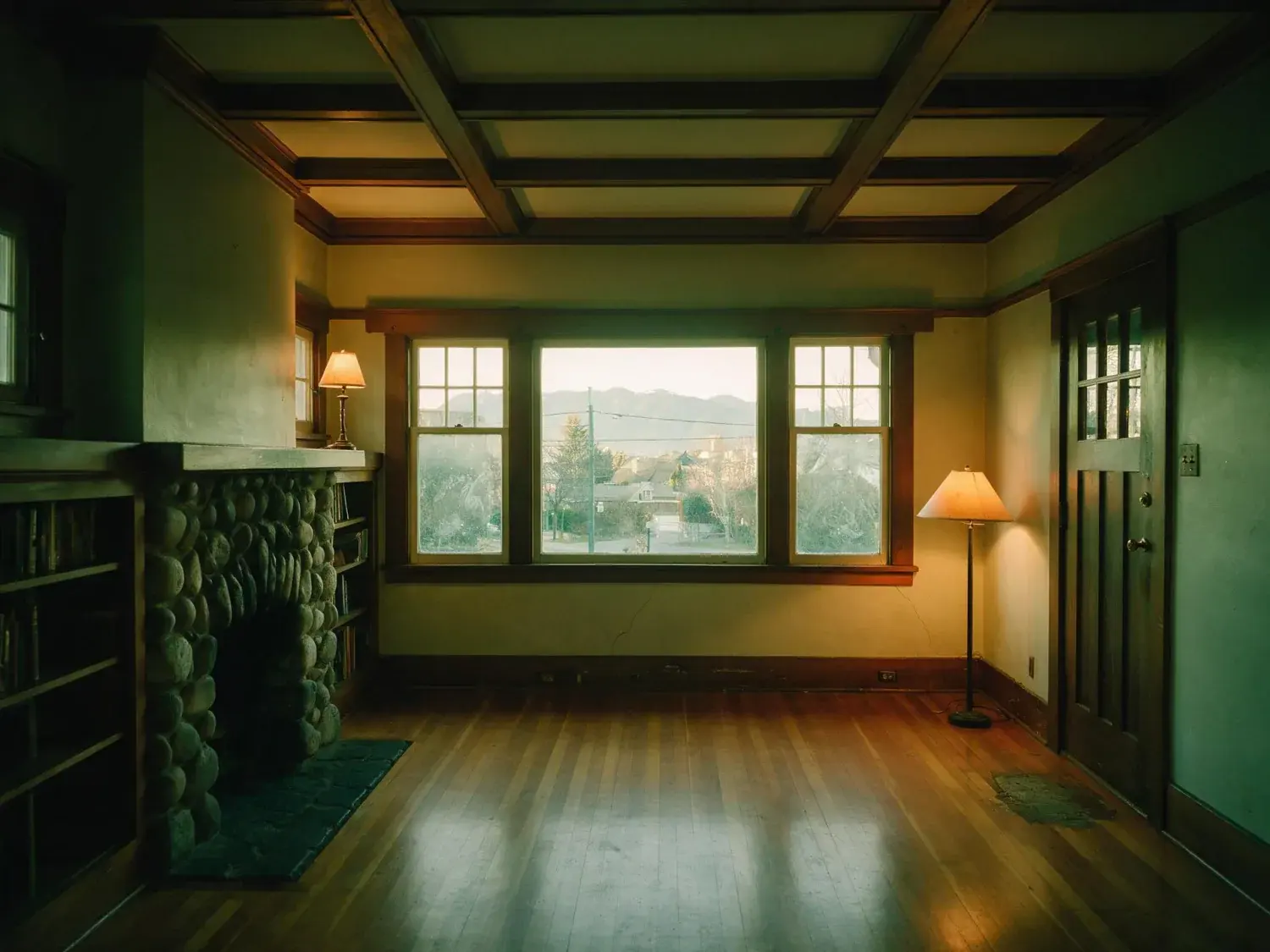
Before and after of a Kitsilano Craftsman room, flat and dim with the window burnt to white. — original listing photo before editing
Before
After
01

Built for a Boston Real Estate Photographer working historic stock

A Boston Real Estate Photographer is not shooting tract-builder product — the bulk of Greater Boston's premium inventory is pre-1900 and architecturally specific, and generic AI editors can't tell the types apart. Beacon Hill is Federal and Greek Revival brick rowhouses (three-and-a-half stories, dormered mansard roofs, original six-over-six sashes with cylinder glass, pegged wide-plank pine floors), under the jurisdiction of the Boston Landmarks Commission and the Beacon Hill Architectural Commission. Back Bay is French Academic Victorian brownstone rows on the Commonwealth Mall grid — uniform stoop setbacks, swell bays, original plaster crown and ceiling medallions, mahogany-railed stairs. The South End is Victorian cast-iron bay-window rowhouses on Union Park, Rutland Square and Worcester Square — red-brick façades with cast-iron window boxes and original black-iron railings. Cambridge historic districts (Old Cambridge, Avon Hill, Half Crown–Marsh) sit under Cambridge Historical Commission oversight. Brookline and Newton add Queen Anne and shingle-style Victorians on Fisher Hill, Chestnut Hill and Newton Highlands. Plotpane's Auto Enhance re-grades each correctly — Beacon Hill brick to warm heritage tone not cartoon orange, Back Bay brownstone to honey-brown not muddy, South End cast-iron held true-black not digitally re-painted, Cambridge clapboard calibrated to period ochre or colonial red, Queen Anne shingle cedar kept silvered not re-stained.

  • Wavy cylinder / crown glass ripple in six-over-six sashes explicitly preserved
  • Pegged wide-plank pine and herringbone oak floor character retained
  • Federal-era and Victorian plaster crown plus ceiling medallion detail held
  • Cast-iron South End bay-window railings kept true-black, not digitally re-painted
  • Roxbury puddingstone and granite foundation courses material-correct
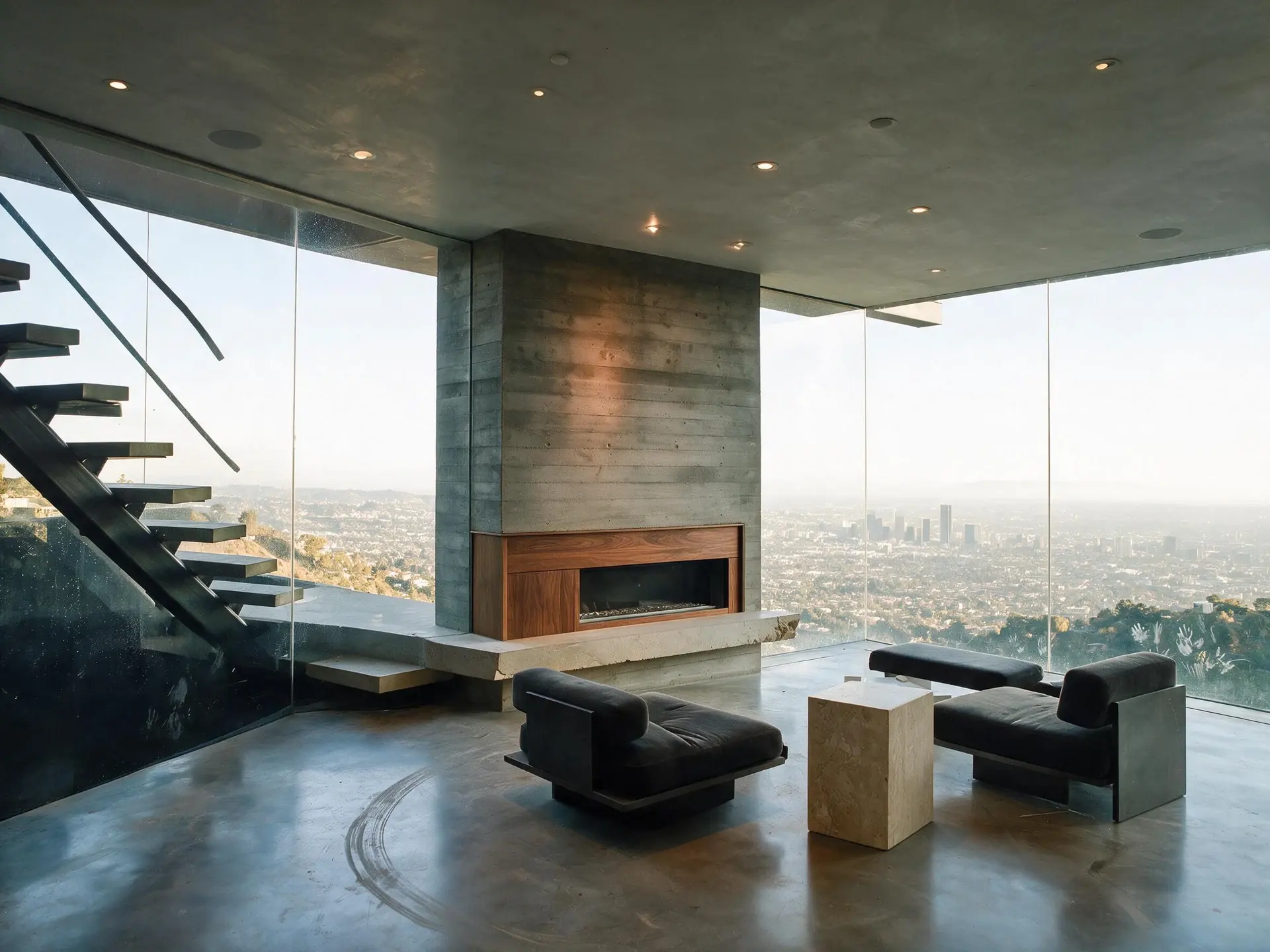
02

What Boston historic buyers pay a premium for — and what Plotpane explicitly preserves

Beacon Hill Federal rowhouses, Back Bay brownstones and South End bowfronts sell at a premium specifically because a brand-new build can't replicate them: wavy cylinder glass in the original six-over-six sashes, pegged heart-pine floors, original marble or slate fireplace surrounds with carved wood mantels, plaster crown molding and ceiling medallions, oxidized copper downspouts and standing-seam copper bay roofs, and the Boston-specific Roxbury puddingstone foundation. Plotpane holds each of them pixel-identical. Enhancement is scoped to exposure, color cast, noise, and lens correction — never to 'straightening' glass ripple, 'refinishing' floor wear, or digitally re-pointing brick. Output comes back editorial-crisp without a single provenance-stripping artifact.

03

MLS PIN, Boston Landmarks Commission, and Massachusetts practice

MLS PIN — the Massachusetts MLS — treats routine photographic finishing (exposure, color, sky, lens correction) as editorial practice, not altered material facts, under its Complete Rules and Regulations. Virtual staging of empty rooms does require remarks-line disclosure. The Massachusetts Board of Registration of Real Estate Brokers (254 CMR) and the NAR Standards of Practice 12 obligation to disclose material AI alteration apply on top — Plotpane writes an XMP enhancement metadata tag into every ~2.4K JPEG export, so a compliance desk at Coldwell Banker Realty Boston, Compass Boston, Hammond Residential, Gibson Sotheby's International or Campion & Company can read the record straight off the original you send them — MLS PIN ingest re-encodes and drops it, so keep that copy. For listings inside a designated historic district, the Boston Landmarks Commission and the Massachusetts Historical Commission (which also administers 950 CMR 71, Protection of Properties Included in the State Register of Historic Places) are the authorities whose documentation-quality bar the enhancement pass is calibrated against — the idea is that the export could be filed with the City of Boston's Article 85 review or the MHC's State Register without flagging AI artifacts on the façade.

For this region

Local questions, answered

Will Plotpane 'fix' the wavy glass in my Beacon Hill or Back Bay listing photos?+

No — and that is the point. The enhancement pass explicitly retains the ripple in original cylinder and crown glass because MLS PIN comparable-sales data shows Beacon Hill, Back Bay and South End buyers pay a premium for authentic 19th-century features. It also holds original slate patina, oxidized copper, pegged wide-plank pine floor wear, Roxbury puddingstone foundation color and period paint chalking — instead of the 'everything-looks-new' default that generic enhancers apply. Plotpane's boston real estate photographer workflow is three steps — upload, pick the tool the frame needs, export a JPEG at about 2.4K — at one credit an image.

Does MLS PIN require disclosure of photo enhancement on a Boston historic listing?+

No for routine enhancement — MLS PIN's Complete Rules and Regulations, the Massachusetts Board of Registration of Real Estate Brokers (254 CMR), and NAR Standards of Practice 12 apply the disclosure bar to material misrepresentation of features or condition. Exposure, color, sky, lens and noise correction are editorial practice. Virtual staging of empty rooms does require a public-remarks disclosure. Plotpane tags every export with XMP enhancement metadata, so you keep a dated record of the edit to produce for whatever listing review your brokerage runs — Coldwell Banker Realty Boston, Compass Boston, Hammond Residential, Gibson Sotheby's International or Campion & Company. MLS PIN and the portals re-encode images on upload and strip metadata, so it is the copy in your own archive that carries it.

Does Plotpane respect Boston Landmarks Commission and Cambridge Historical Commission jurisdiction?+

Yes — the enhancement pass is calibrated so exports could be filed with the Boston Landmarks Commission under Article 85 or with the Cambridge Historical Commission without AI artifacts showing on the façade. No dormer lines get smoothed, no bay-window cast iron gets digitally straightened, no original six-over-six muntins get re-rendered. For listings inside the State Register of Historic Places, the Massachusetts Historical Commission's 950 CMR 71 documentation bar is the reference point the render spec was tuned against.

Can it handle a Newton Queen Anne or Brookline Victorian exterior without over-warming the shingle or trim?+

Yes. On Newton and Brookline Queen Anne and Victorian exteriors it holds silvered cedar shingle patina, polychrome trim and slate-roof color pixel-identical through exposure and color correction. Generic enhancers push cedar toward a uniform re-stained tone and flatten polychrome trim to a single hue that misrepresents actual condition. The pass preserves the multi-tone detail that Fisher Hill, Chestnut Hill and Newton Highlands buyers recognize on the first photo.

Pricing

One credit per image.
Every tool, every plan.

Three plans. Every tool unlocked on all of them. Every render unmarked, standard or high resolution, cancel anytime.

Every plan starts with 3 free renders. No card until you subscribe.

Starter

For the solo agent shooting their own listings.

$39/month

billed yearly

100 credits monthly

  • 100 images per month — 1 credit each, whichever tool you use
  • No Plotpane mark on any render
  • Every tool, no tier gating
  • Standard output ~2.4K, or ~4.7K for a second credit
  • XMP disclosure metadata written into every export
  • Download a finished listing as a ZIP
  • Free vertical listing reel from your finished photos
  • Cinematic clips from a single photo — 1 credit per second of video
  • Up to 10 photos per batch
  • Email support
Subscribe to Starter

For one agent, listing by listing.

Most popular

Pro

For top-producing agents and real-estate photographers.

$79/month

billed yearly

220 credits monthly

  • 220 images per month — 1 credit each, whichever tool you use
  • No Plotpane mark on any render
  • Up to 50 photos per batch, one tool across the shoot
  • Download a finished listing as a ZIP
  • Free vertical listing reel from your finished photos
  • Everything in Starter
  • Priority support
Subscribe to Pro

The plan a working photographer buys.

Agency

For brokerages, teams, and photography networks.

$199/month

billed yearly

600 credits monthly

  • 600 images per month — 1 credit each, whichever tool you use
  • No Plotpane mark on any render
  • Up to 150 photos per batch
  • Download a finished listing as a ZIP
  • Free vertical listing reel from your finished photos
  • Everything in Pro
  • Direct line to the founder, not a ticket queue
Subscribe to Agency

For a brokerage running whole shoots.

FeatureStarter$39/mo annualPro$79/mo annualAgency$199/mo annual
Renders per month100220600
Credits per image111
All seven tools
Free renders on sign-up333
Plotpane mark on the imageNoneNoneNone
Standard output (~2.4K)
High resolution (~4.7K, second credit)
XMP disclosure written into every export
Optional visible “Virtually Staged” label
Photos per batch1050150
Download a set as a ZIP
Refund a render that came back wrong
SupportEmailPriority emailDirect to the founder
Cancel anytime, one click
At volume

A 25-photo listing costs 25 credits.

That is the whole pricing model. No per-tool rates, no seat maths, nothing to negotiate. We are not SOC 2 certified and there is no SSO, private deployment or API — if you need those to buy, better you know now than after a call.

Starter

4

listings
a month

Pro

8

listings
a month

Agency

24

listings
a month

Questions

The usual questions,
answered directly.

  • No. Midjourney and DALL-E invent scenes from text prompts — beautiful for art, disqualifying for a listing. Plotpane is a structure-preserving pipeline: your room geometry, windows, and floor plan stay exact. We stage, re-light, swap skies, declutter, and enhance your actual photo. No hallucinated architecture, no invented rooms.

  • BoxBrownie and Styldod are human-edit services: you upload, a retoucher works overnight, you get a result in 24–48 hours at $2–$32 per image per treatment. They also sell things we do not have at all — floor plans, renderings, item removal by a person who can ask you what you meant. Plotpane is one machine pass: you pick one of seven tools, and the image comes back in about two minutes for one credit, whichever tool you picked, on a flat monthly subscription. Stacking two treatments on one photo means running it twice.

  • Yes, when disclosed. NAR guidelines, California AB 723, and REBNY Rule 3.3 all allow virtually staged photos provided the listing discloses them. Every Plotpane export embeds invisible XMP disclosure metadata so the staging record travels with the file. You still handle the listing-remarks disclosure in your MLS portal — that's the part only you can do.

  • Every render is sent with a preserve list as well as an instruction. It names one operation and forbids the rest: do not touch windows, doors, walls, ceilings, floors, cabinetry or fixtures unless the instruction names them; do not remove or conceal a defect, stain or crack; do not change what is visible through glass, and never invent a view. Furniture is added to empty rooms; named objects are removed from furnished ones; sky and light are re-graded. If you do see something invented, that is a bug — report the render in the app and the credit comes back.

  • Yes — one click in the Stripe billing portal from your dashboard. Billing stops immediately, remaining credits stay usable through the end of the billing period, and there's no cancellation fee.

  • Yes — any AI-generated or AI-modified image is considered an edit requiring disclosure under NAR's standards. That's why every Plotpane export writes invisible XMP disclosure metadata by default. The flag is machine-readable by MLS tooling and survives Lightroom round-trips. You still add the disclosure line to your listing remarks; we make sure the image itself is self-describing.

Ready when you are

Stop re-uploading.
Start shipping listing-ready.

Seven tools, one credit an image, a finished JPEG back in about two minutes — on every plan.

Get startedSee the before/aftersEvery tool on every plan · cancel anytime